
Berlin has a bit of an identity crisis when it comes to prices. As a Berlin local, I see this confusion all the time. Some visitors still expect a cheap, gritty capital where everything costs a few euros. Others arrive convinced Berlin has become outrageously expensive.
The truth sits somewhere in between. Berlin can be affordable – or surprisingly pricey. It all depends on how you travel, where you stay, and how much planning you do upfront.
In this guide, I’m breaking down how expensive Berlin really is, based on real, current costs – not outdated clichés, but everyday life and what travelers actually pay today.
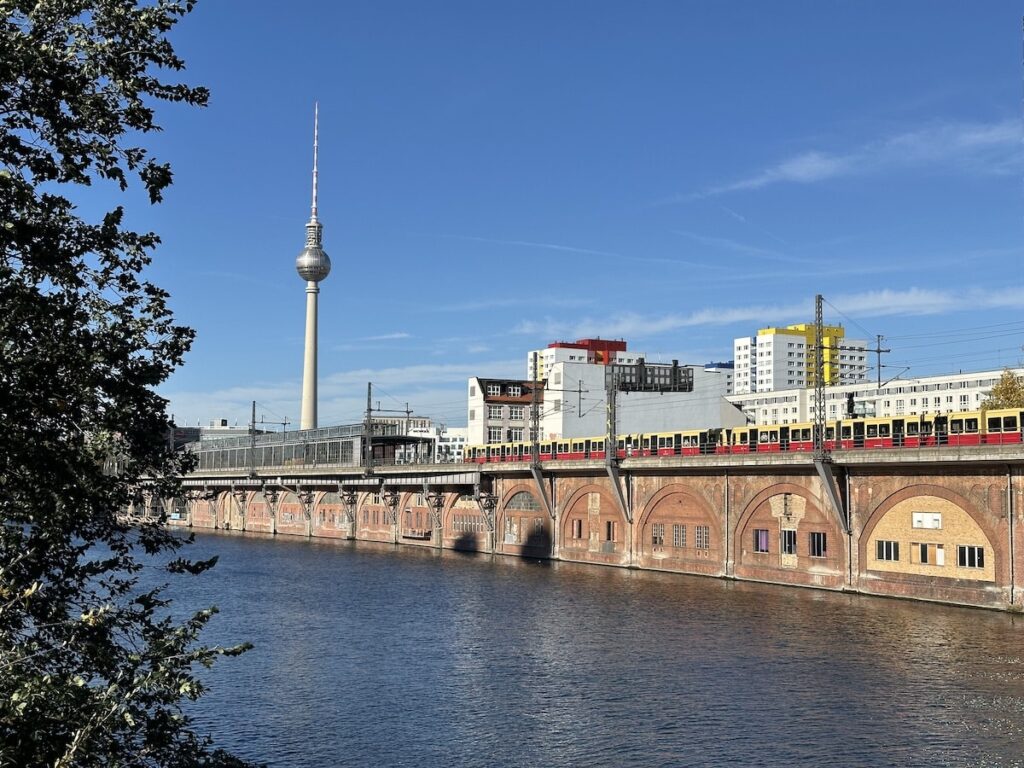
Is Berlin expensive compared to other European cities – and how expensive is Berlin really?
So, how expensive is Berlin? Compared to major European capitals like London or Paris, Berlin is still more affordable. However, prices have risen noticeably in recent years – especially for accommodation and trendy neighborhoods.
But compared to what it was ten years ago? Prices have definitely gone up. Berlin doesn’t reward spontaneity anymore – it rewards smart planning.
Especially when it comes to accommodation and popular neighborhoods.
Where Berlin is still good value:
- Public transport
- Free sightseeing opportunities
- Casual food & street food
Where you’ll feel the price increases:
- Hotels and short-term accommodation
- Trendy cafés and brunch spots
- Central and “hip” neighborhoods
Berlin doesn’t reward spontaneity anymore – it rewards smart planning.
Accommodation costs in Berlin
When travelers ask how expensive Berlin is, accommodation is usually the deciding factor – and where costs have increased the most. For most travelers, accommodation will be the biggest expense.
If you’re looking to keep this part of your budget under control, this guide shows affordable places to stay in Berlin – without sacrificing location or comfort.
Average prices per night (for 2 people)
- Budget hotel or hostel: €60–90
- Mid-range hotel: €100–150
- Boutique or design hotel: €160–220+
Prices vary a lot depending on:
- season (summer, events, trade fairs)
- how early you book
- the neighborhood
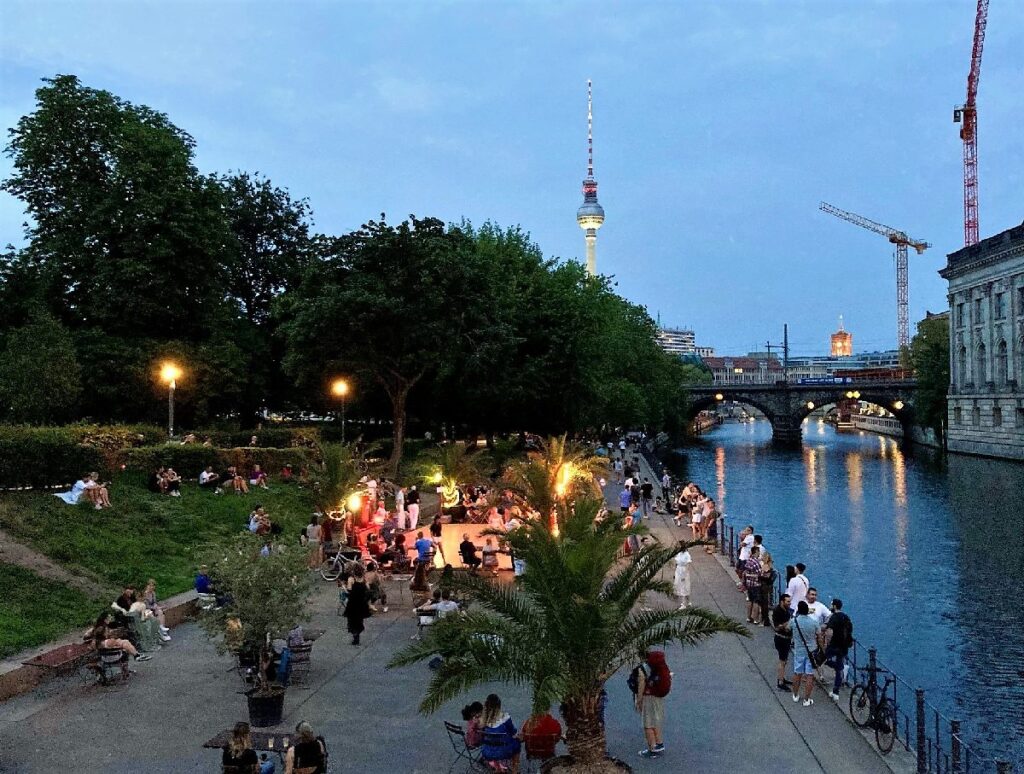
Staying right in Mitte or Prenzlauer Berg is convenient, but often comes with a price tag.
One thing many first-time visitors underestimate: Berlin has far fewer classic hotels than cities like London or Paris. A lot of accommodation is small, independent, or converted – which pushes prices up faster during busy periods.
Local tip: Neighborhoods like Wedding, Moabit, or parts of Neukölln often offer better value than Mitte or Prenzlauer Berg – as long as you’re close to an S-Bahn or U-Bahn line. In Berlin, good transport matters more than postal codes.
Want to see what these prices look like for your travel dates? -> Check current hotel prices in Berlin for your travel dates (compare location, reviews & real-time availability)
Prices change quickly in Berlin – especially around events and weekends. Checking early often makes a noticeable difference.
Food & drinks: what does eating in Berlin cost?
Berlin is still a fantastic city for eating well on a budget – if you don’t fall into the obvious tourist traps.
Typical prices
- Street food (döner, currywurst): €3–10
- Bakery breakfast: €4–7
- Café brunch: €12–18
- Restaurant main dish: €14–25
- Beer: €4–6
- Cocktail: €10–14
You can easily spend a lot in trendy cafés, but you don’t have to. Prices rise quickly in areas packed with brunch spots and Instagram cafés. Just a few streets further, you’ll often find the same quality for less – Berlin rewards those who walk a bit.
Local tip: Lunch menus (Mittagsangebote) aren’t just cheaper – they’re often where restaurants show their best value. Eat your main meal during the day and keep evenings simple.
For first-time visitors, food tours can be a good way to explore different neighborhoods without falling into tourist traps.
Public transport costs in Berlin
Berlin’s public transport system is one of its strongest points: extensive, reliable, and fairly priced.
Common ticket prices (AB zone)
- Single ticket: €4
- Day ticket: €11.20
- 72h pass: €39.50
For most visitors, public transport is all you need. Taxis and ride-shares are convenient, but costs add up quickly. If you’re staying for several days, a multi-day or weekly ticket usually pays off.
If you plan to use public transport daily and visit museums, the Berlin WelcomeCard can be worth a look – it combines unlimited transport with attraction discounts.
Sightseeing & attractions: free vs paid
This is where Berlin really shines. Berlin doesn’t hide its history behind ticket counters – much of it is part of everyday street life.
Free things to do
- Walk through historic neighborhoods
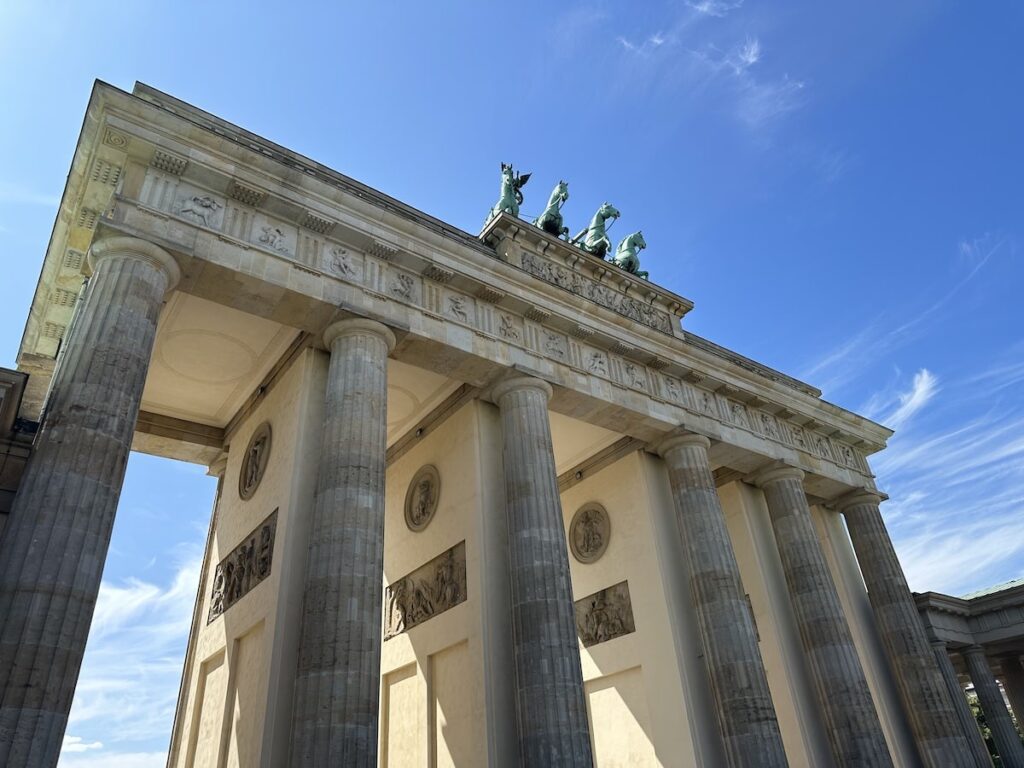
- See iconic landmarks like the Brandenburg Gate
- Visit memorials and open-air exhibitions
- Explore parks, markets, and street art
Paid attractions
- Museums: €10–15
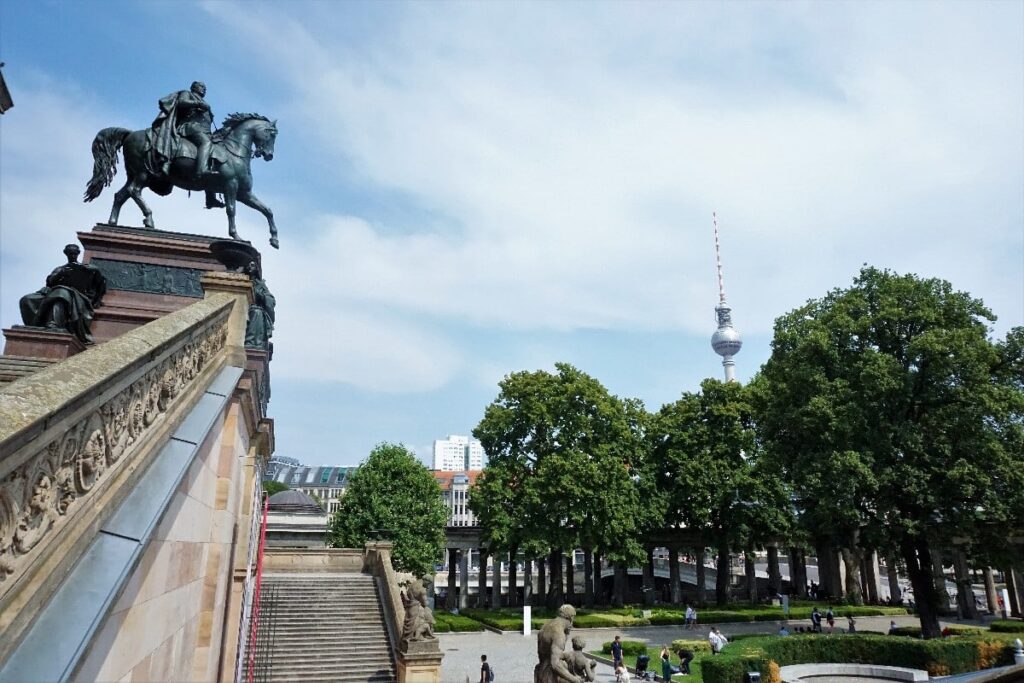
- Museum Island day pass: €19
- Guided walking tours: €15–30
You can easily spend two to three full days in Berlin without paying for attractions.
If you prefer structure without committing to expensive attractions, guided walking tours are a great middle ground – informative, flexible, and fairly priced.
Shopping, nightlife & extras
Berlin isn’t a luxury shopping destination, but everyday prices are fair.
- Souvenirs: €5–15
- Clothing: similar to other German cities
- Club entry: €10–20
- Drinks in clubs: often pricier than bars
One thing to keep in mind: cash is still common, especially in bars, clubs, and small cafés.
How much money do you need per day – and how expensive is Berlin really?
Budget traveler: €60–80 per day
- Budget accommodation
- Street food & bakeries
- Public transport
- Mostly free attractions
Comfortable mid-range trip: €100–140 per day
- Well-located hotel
- Cafés and restaurants
- Museums and tours
Stylish city break: €180+ per day
- Boutique hotel
- Dining out regularly
- Experiences, nightlife, extras
These budgets assume realistic planning – not constant eating out, not skipping transport costs, and not staying right in the most hyped areas.
So – is Berlin expensive?
So, how expensive is Berlin? Berlin is not a cheap city anymore – but it still offers excellent value for money compared to many other European capitals.
If you choose your neighborhood wisely, use public transport, and mix free sights with a few paid highlights, you’ll experience a city that gives a lot back for what you spend.
Berlin isn’t about polish or luxury. It’s about history, contrasts, creativity, and freedom. And as someone who lives here, I can honestly say: you don’t need a huge budget to feel what makes this city special.
One of the easiest ways to keep Berlin affordable is choosing the right place to stay.
If you want practical recommendations, this guide to affordable places in Berlin helps you find good value without the usual compromises.

Ready to plan your Berlin trip?
Berlin isn’t a city you need to overspend on – but a bit of smart planning goes a long way.
If you want to keep your budget under control and stay somewhere that actually fits your travel style, these tools can help:
Find the right place to stay
Accommodation prices in Berlin vary hugely by neighborhood and travel dates. Checking options early often makes the biggest difference.
Check current hotel prices in Berlin
(compare locations, reviews & availability for your dates)
Explore Berlin without overspending
Many of Berlin’s highlights are free – but guided walking tours can be a great way to understand the city without committing to expensive attractions.
Browse guided walking tours & experiences in Berlin
Planning more city trips?
If you’re comparing costs across Europe, you might also find these guides helpful:
Pingback: Europe city trip costs: What popular cities really cost
Pingback: Affordable Places to Stay in Berlin: Cheap Hotels & Hostels