
Europe city trip costs can vary dramatically – even between cities that are just a short flight apart. Planning a city trip in Europe is exciting, but one question usually comes first: Which city actually fits my budget?
Europe offers incredible variety in a relatively small area. You can travel for days on a modest budget in one city, while another can drain your wallet surprisingly fast. This guide helps you compare European city trip costs at a glance – realistically, honestly, and without travel brochure promises.
Instead of vague labels like cheap or expensive, you’ll find:
- realistic daily budgets per person
- common cost traps
- and a clear starting point for deeper planning
This page is your starting point. From here, you can dive into detailed cost guides city by city.
Europe city trip costs vary widely. On average, you should plan €40–60 per day for affordable cities, €60–100 for mid-range destinations and €100+ for expensive European capitals. Accommodation is usually the biggest cost factor.
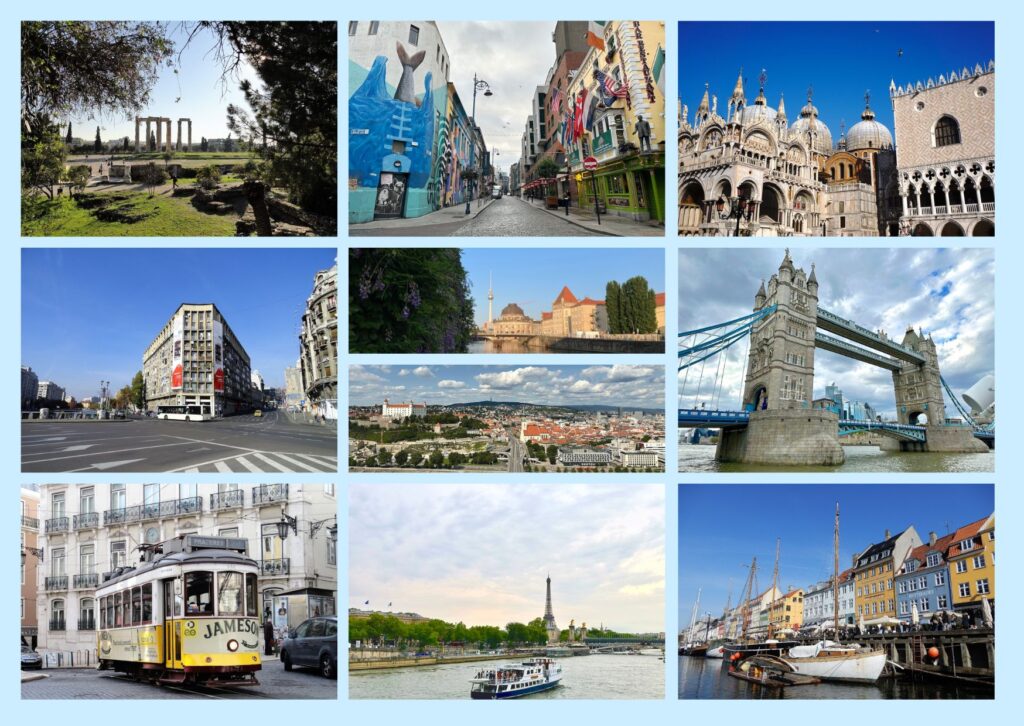
Europe city trip costs – quick overview
Daily budget per person, excluding flights. Based on budget to mid-range travel styles with comfortable but realistic choices.
| City | Daily budget (approx.) | Typical cost traps | Cost guide |
|---|---|---|---|
| Athens | €60–90 | Entrance fees to ancient sites, tourist restaurants | Athens travel costs |
| Barcelona | €70–100 | Attractions & seasonal accommodation prices | Daily budget for Barcelona |
| Berlin | €60–90 | Clubs, bars & eating out | How expensive is Berlin? cost guide |
| Bratislava | €50–70 | Old town price increases | Bratislava travel costs |
| Brussels | €80–110 | Hotels & restaurant prices | Brussels city trip costs |
| Budapest | €50–80 | Thermal baths & central dining | Budapest travel costs |
| Bucharest | €40–60 | Taxi pricing differences | Bucharest daily budget |
| Dublin | €90–120 | Pubs & beer prices | Dublin travel costs |
| Florence | €70–100 | Museums & cathedral entry fees | Florence city trip costs |
| Hamburg | €70–100 | Harbour tours & nightlife | Hamburg travel costs |
| Cologne | €60–90 | Carnival season & old town dining | Cologne on a budget |
| Copenhagen | €100–140 | Cafés & restaurants | Copenhagen travel costs |
| Krakow | €50–70 | Old town restaurants | Krakow daily budget |
| Lisbon | €60–90 | Tuk-tuk tours & tourist snacks | Lisbon travel costs |
| London | €100–160 | Accommodation & public transport | How expensive is London? travel costs |
| Madrid | €70–90 | Nightlife & tapas culture | Madrid daily budget |
| Milan | €70–100 | Dining & aperitivo culture | Milan city trip costs |
| Oslo | €100–150 | Alcohol & restaurant prices | Oslo travel costs |
| Paris | €90–120 | Hotels & café terraces | Paris city trip costs |
| Prague | €50–70 | Central areas more expensive | Prague daily budget |
| Valencia | €60–80 | Attraction entry fees | Valencia travel costs |
| Venice | €70–100 | Gondolas & tourist menus | Venice city trip costs |
| Vienna | €70–90 | Coffee house culture | How expensive is Vienna? travel costs |
Important note on daily budgets
The daily budgets shown above are per person and based on a comfortable but not luxurious travel style:
- mid-range hotels or private rooms
- a mix of restaurant meals and casual snacks
- public transport instead of taxis
Costs can vary depending on season, travel style, booking time and personal comfort level. Think of these numbers as a realistic planning range, not a fixed rule.
Europe city trip costs – my impressions by budget level
The table gives you a quick overview – but numbers alone don’t tell the full story. Every city feels different once you’re there. Some are surprisingly affordable, others more expensive than expected.
That’s why I’ve grouped the cities by budget level and added my personal impressions. This makes it easier to see which city fits your travel style – and your budget.
Expensive cities – but often worth it
Some European cities have a reputation for being pricey. And yes, that’s true. But with smart planning, you can still enjoy them without blowing your entire budget.
Oslo & Copenhagen: Scandinavia is stunning – and expensive. Save money with supermarket snacks and enjoy the many free outdoor experiences.
London: Accommodation and transport are the biggest cost drivers. Using an Oyster Card and opting for park picnics instead of daily restaurant meals makes a noticeable difference.
Paris: A croissant with an Eiffel Tower view costs more than elsewhere – but free museum days (like the first Sunday of the month) help balance things out.
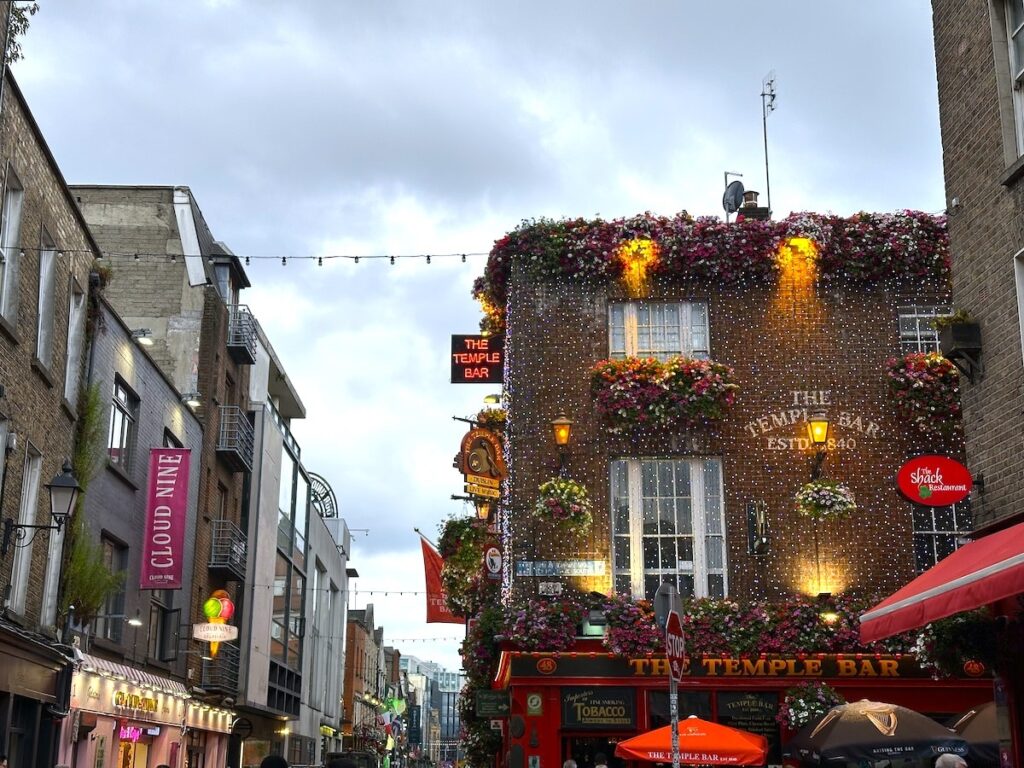
Dublin: Pubs and hotels aren’t cheap, but the atmosphere is hard to beat.
Mid-range cities – the best balance of experience & budget
These cities sit comfortably in the middle. You get plenty of culture, food and atmosphere – just keep an eye on a few common cost traps.
Athens: Ancient sites, lively markets and Mediterranean flair. Entrance fees add up, but food and accommodation remain fairly priced.
Barcelona: Beach, architecture and vibrant neighborhoods. Accommodation and top sights like the Sagrada Família or Park Güell can raise costs quickly.
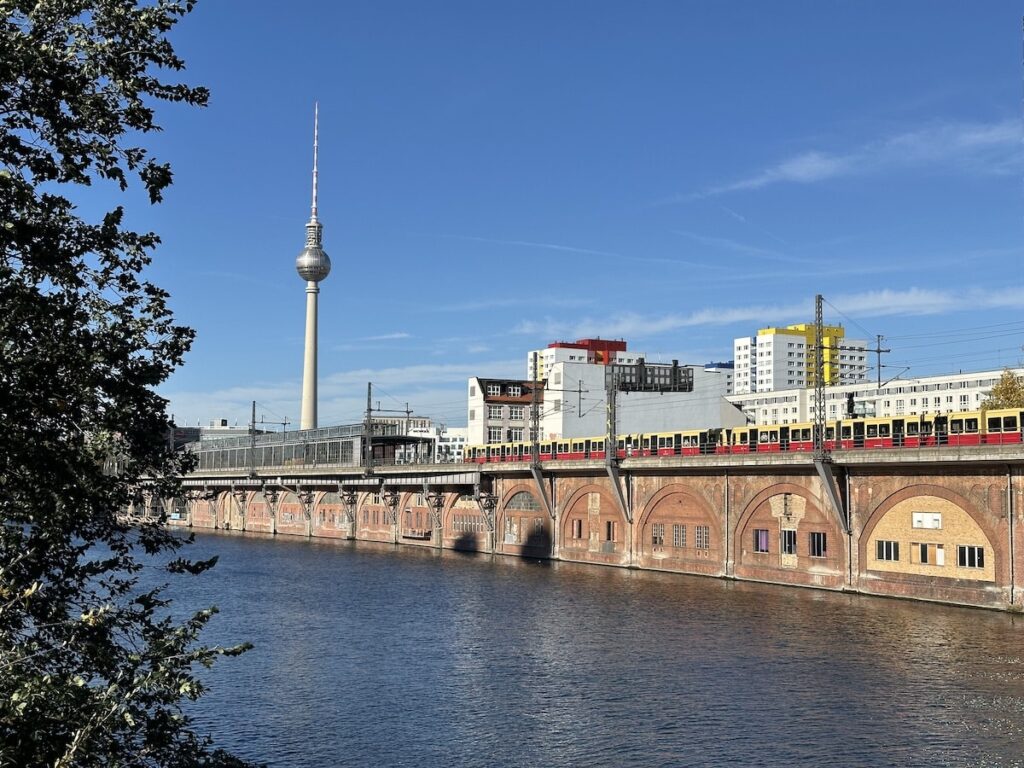
Berlin: Many free highlights – from street art to museums. Dining out and nightlife can push your budget if you’re not careful.
Brussels: A food lover’s city with beer, chocolate and fries – hotels and restaurants are slightly pricier than expected.
Hamburg: Maritime vibes, interesting neighborhoods and great food. Harbour tours and nightlife can add up.
Florence & Venice: Stunning culture and charm – but museum tickets and gondola rides increase daily costs.
Madrid & Valencia: Southern lifestyle, fair prices for food and accommodation – perfect for relaxed city trips.
Lisbon: Charming and relatively affordable – just watch out for tourist traps like overpriced tuk-tuk tours.
Milan: Fashion, aperitivo culture and architecture. Dining out and evenings can get expensive quickly.
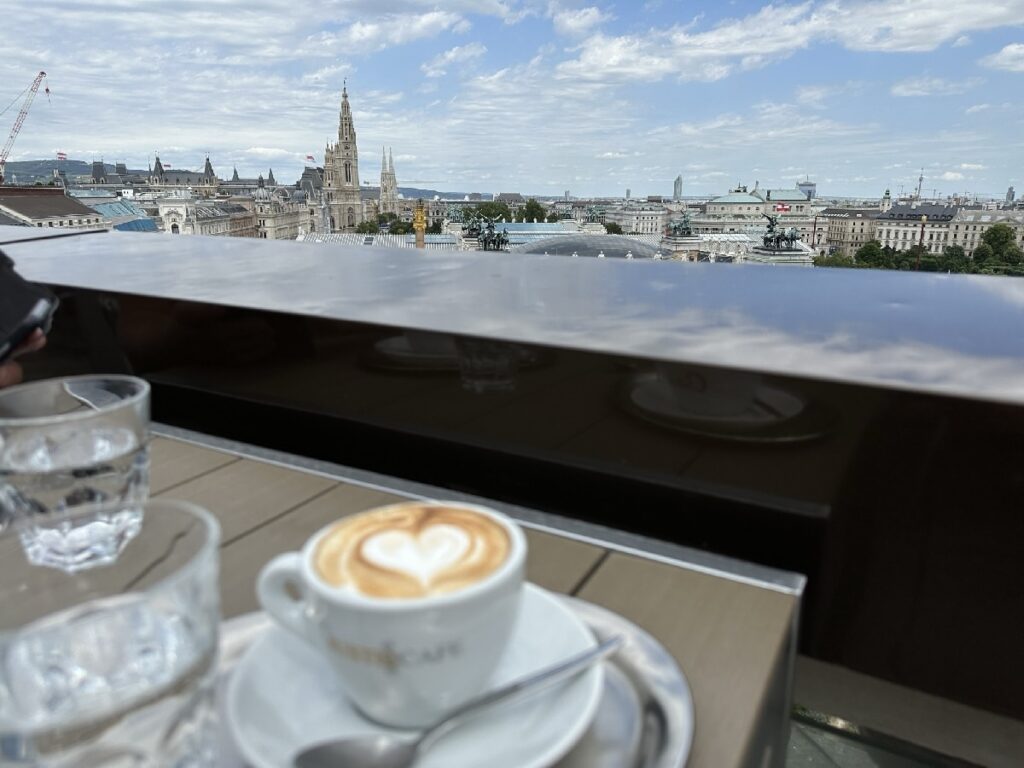
Vienna: Culture and coffee house flair at mid-range prices – especially if you skip classic tourist menus.
Affordable cities – great experiences on a smaller budget
Europe also offers true budget-friendly gems. In these cities, accommodation, food and activities are surprisingly affordable.
Bucharest: Lively, interesting and extremely affordable – from restaurants to public transport.
Bratislava: Still a bit of a hidden gem and ideal for budget travelers.
Budapest: Thermal baths, grand architecture and markets. Central dining and entry fees can raise costs slightly.
Krakow: Historic old town, café culture and fair prices. Many sights are walkable.
Prague: Beer can be cheaper than water – as long as you avoid the most touristy areas.
Save money on attractions & transport
Many cities offer city cards that include free public transport and museum entry – a great way to control daily costs:
You can also book popular attractions in advance via platforms like GetYourGuide or Tiqets to avoid on-site price hikes.
Why some European cities are more expensive than others
If two cities feel similar on the map but completely different on your wallet, there’s usually a reason:
Accommodation prices
Hotels and short-term rentals are the biggest budget drivers. Cities like London, Paris or Amsterdam aren’t expensive because of food alone – it’s where you sleep that pushes costs up.
Differences in accommodation and everyday prices are also reflected in official EU statistics such as those published by Eurostat.
Transport & city layout
Compact cities with good public transport (Berlin, Vienna, Budapest) are easier to budget than sprawling cities with complex fare systems.
Tourism pressure
Cities with constant demand tend to have fewer budget-friendly options in central areas.
How to use this guide
Think of this page as your starting point, not the final answer.
- Compare cities based on your daily budget
- Identify where costs come from (accommodation, food, transport)
- Open the detailed city cost guides for:
- accommodation tips
- transport passes
- realistic daily examples
That way, planning stays structured – and doesn’t turn into endless Googling.
Final thoughts
A city trip doesn’t need to be cheap to be great. But it does need to match your expectations and your budget.
Europe offers fantastic city breaks at every price level – if you know what to expect before you go. This guide helps you make that decision with clarity and confidence.