
Planning Vienna in 3 days is a great way to experience the city’s imperial highlights while still enjoying its relaxed, modern atmosphere. Vienna effortlessly combines historic charm with contemporary life – from UNESCO-listed streets and grand palaces to coffeehouses and green spaces.
During my 3 days in Vienna, I explored the Old Town, visited iconic sights, and discovered how much fits into a long weekend without rushing.
In this guide, I’m sharing a realistic 3-day Vienna itinerary, including daily planning tips, highlights, and practical advice to help you make the most of your time in the Austrian capital.
Getting to Vienna
Vienna is well connected within Europe via Vienna International Airport (Schwechat), located about 19 km southeast of the city center.
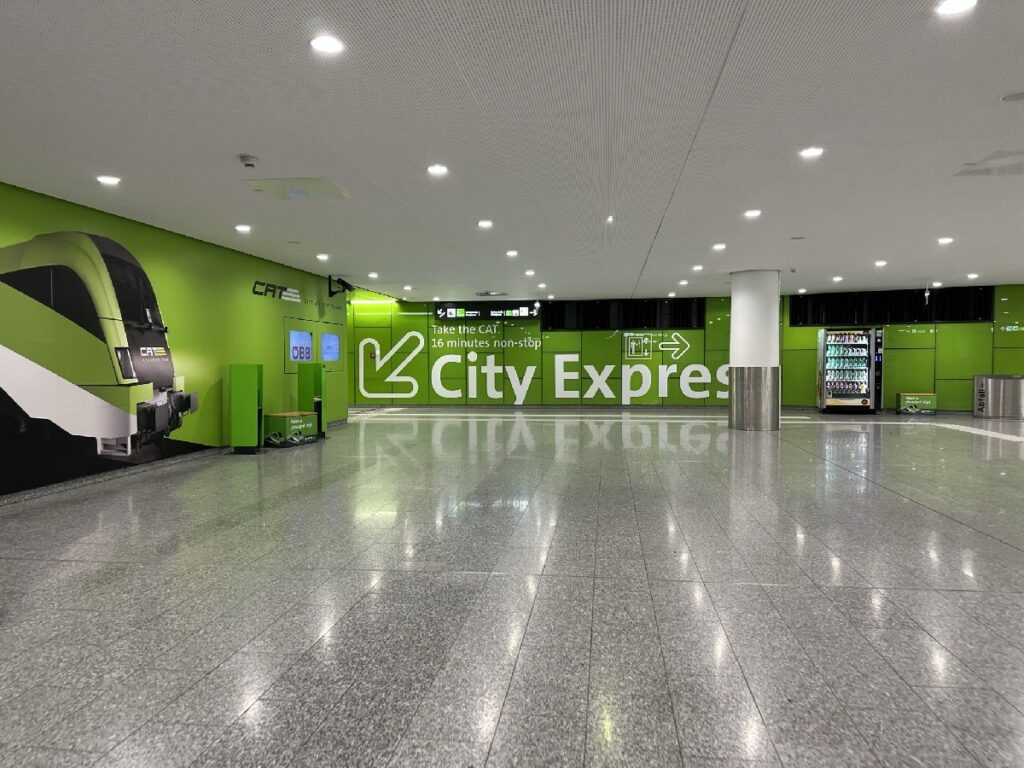
The fastest and most convenient way to get from the airport into the city is the City Airport Train (CAT). The CAT runs every 30 minutes and takes just 16 minutes to reach Vienna Mitte.
Alternatively, you can take the ÖBB Railjet trains to Vienna Central Station. They run several times per hour throughout the day and are a good, budget-friendly option. Buses operated by Vienna Airport Lines (VAL) also connect the airport with different parts of the city.
Are 3 days in Vienna enough?
Yes – three days in Vienna are perfect for a first visit. While you won’t see everything, you’ll have enough time to explore the historic center, visit Schönbrunn Palace, and experience Vienna’s unique atmosphere.
If you can add an extra day, even better. However, 3 days give you a well-rounded impression of the city without rushing.
Short on time? You might also like:
- Vienna in one day – the perfect itinerary
- How many days in Vienna? A realistic guide to trip length
My 3-day Vienna city trip – overview
This summer city break took me straight into the heart of Vienna’s imperial past. As the former center of the Habsburg Empire, Vienna is filled with palaces, grand squares, historic churches, and legendary coffeehouses.
Even today, history is everywhere – from monumental architecture to quiet gardens tucked away behind busy streets.
Arrival day: CAT train & Danube Canal
After a short flight, I arrived at Vienna Airport and easily found the CAT train thanks to clear signage. Since I had booked my ticket online in advance*, boarding was effortless.
Sixteen minutes later, I arrived at Vienna Mitte. My hotel was located in the Inner City, so I decided to walk – about 15 minutes, and a perfect first glimpse of Vienna.
I stayed at Hotel Kärntnerhof, a small hotel in a quiet courtyard just steps away from St. Stephen’s Cathedral.
Where to stay in Vienna – my tip
If you want to explore mostly on foot or by public transport, stay in the Inner City or the 7th district.
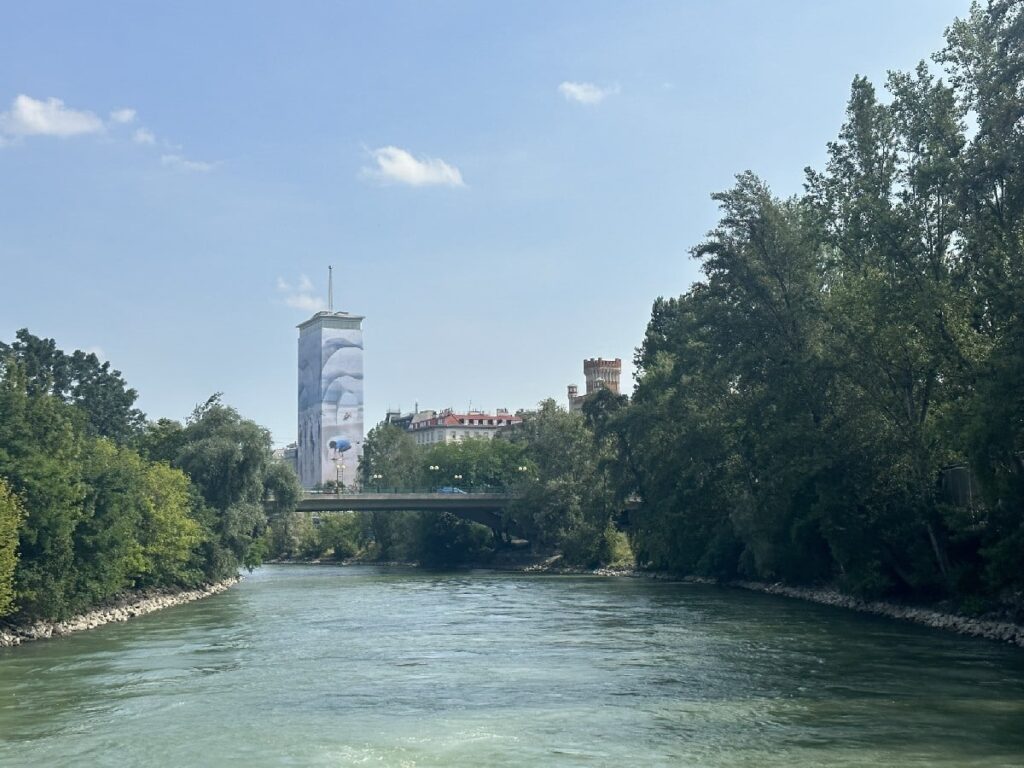
After checking in, we headed to the Danube Canal for a 75-minutes city cruise. Seeing Vienna from the water is a relaxed way to get oriented and works perfectly as a gentle start to your trip.
Dinner was classic Viennese: Wiener Schnitzel at Restaurant Gutenberg – simple and very good.
Day 1: Historic center & classic highlights
Day one focuses on Vienna’s historic heart: imperial sights, museums, and green spaces.
Spanish Riding School
We started the day with a visit to the Spanish Riding School, famous for its Lipizzaner horses and classical dressage.
Since there was no performance during our stay, we opted for the morning training, which offers fascinating insight into this centuries-old tradition.
Imperial Treasury
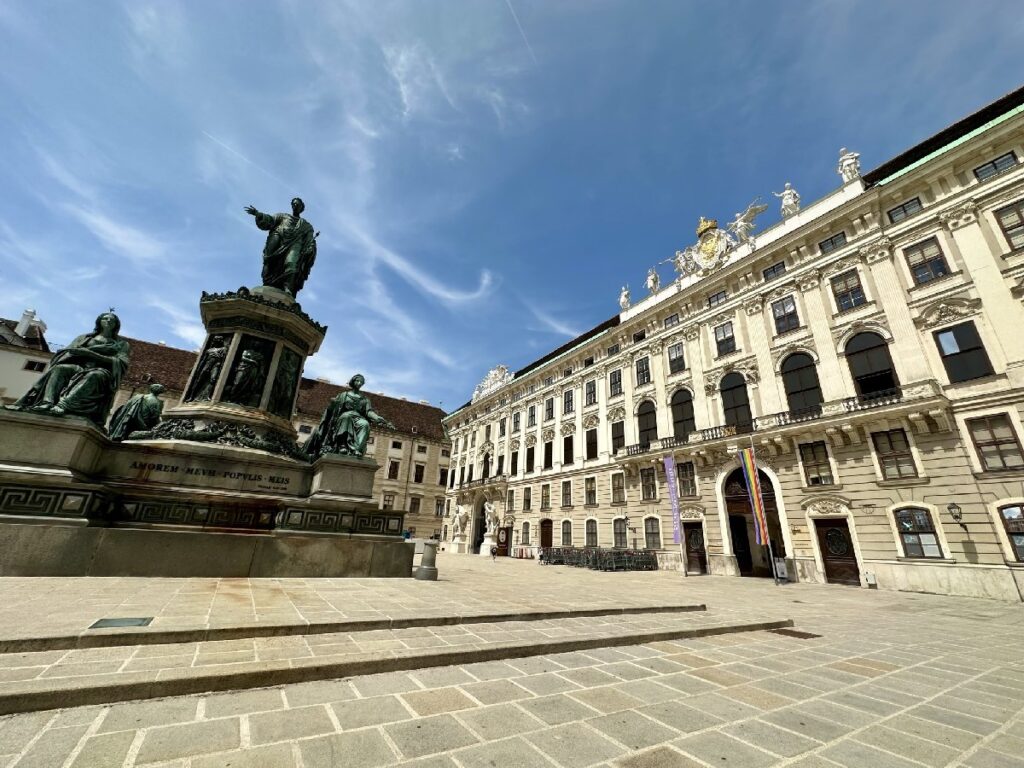
Next, we visited the Imperial Treasury Vienna, located within the Hofburg Palace.
Highlights include:
- the Imperial Crown of the Holy Roman Empire
- the Holy Lance
- elaborate crowns and regalia of the Habsburgs
Plan 1–2 hours here. To avoid queues, book tickets online in advance.
Burggarten
After the museums, the Burggarten Vienna is the perfect place to slow down. This peaceful garden offers shade, benches, and beautiful views of surrounding architecture – ideal for a short break.
Maria-Theresien-Platz & Parliament
From Burggarten, we walked to Maria-Theresien-Platz, framed by the Art History Museum and Natural History Museum.
Nearby, you’ll also pass:
- the Austrian Parliament Building
- Vienna City Hall
- the Palace of Justice
A guided tour of the Parliament is free but must be booked in advance.
Sisi Museum
Back at the Hofburg, we visited the Sisi Museum, which explores the life of Empress Elisabeth.
The exhibition includes personal items, portraits, and the Imperial Apartments. Photography is not allowed.
St. Stephen’s Cathedral & North Tower
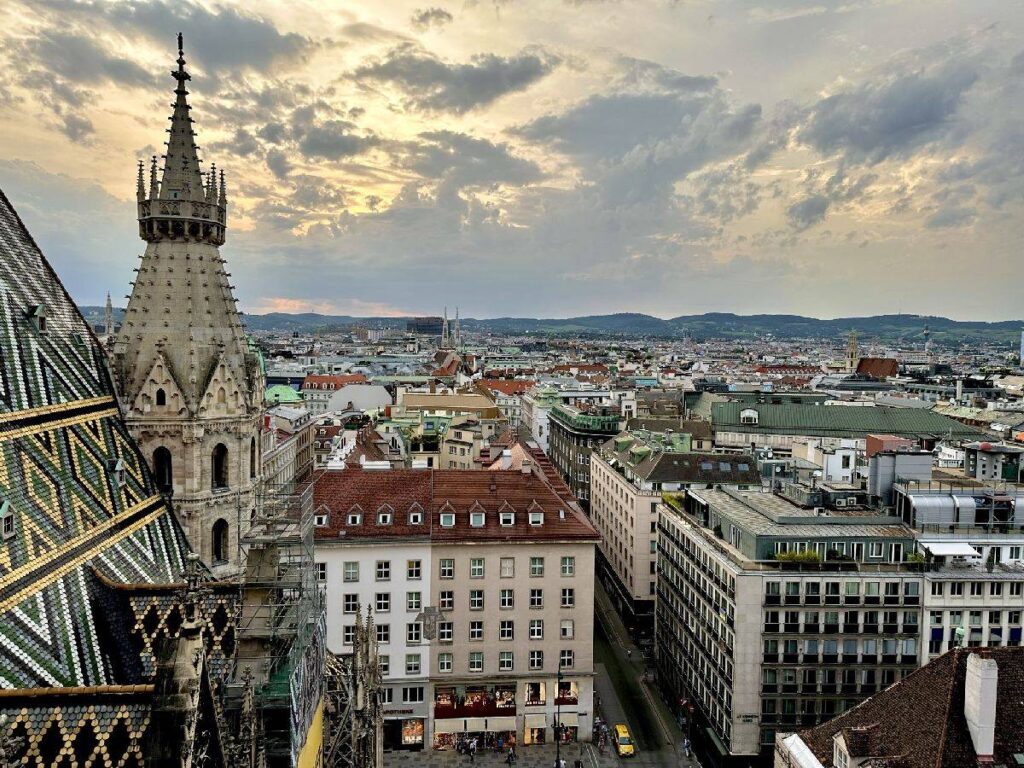
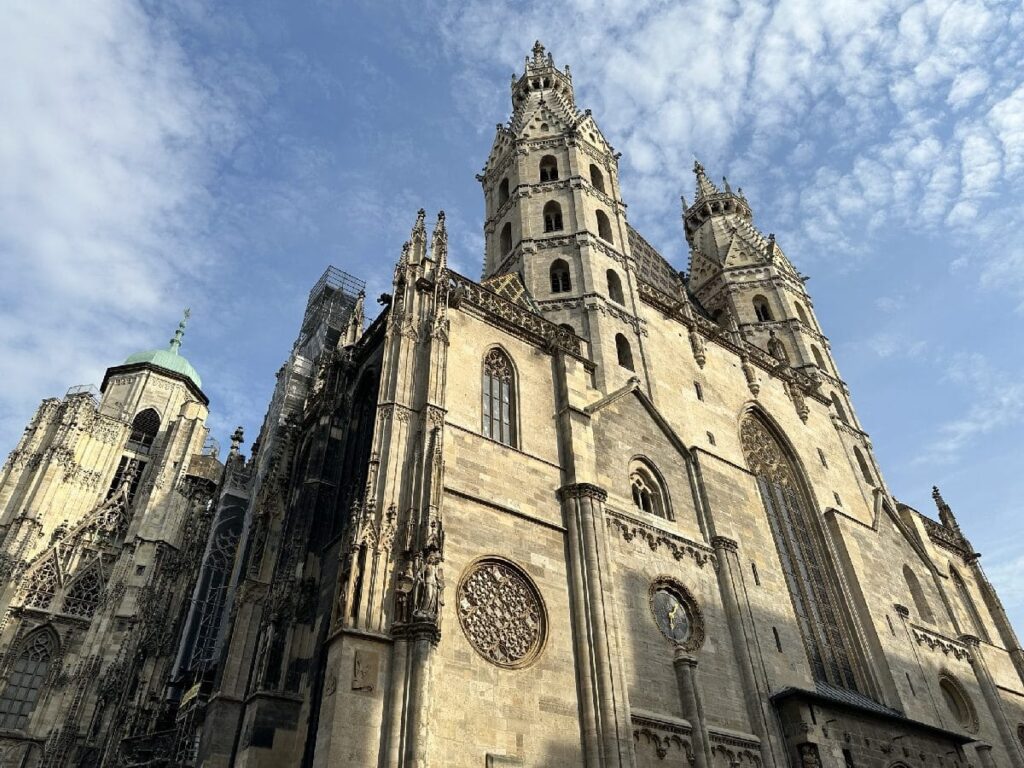
In the early evening, we visited St. Stephen’s Cathedral and took the elevator up the North Tower for city views and a close look at the famous Pummerin bell.
Day 2: Schönbrunn Palace & imperial gardens
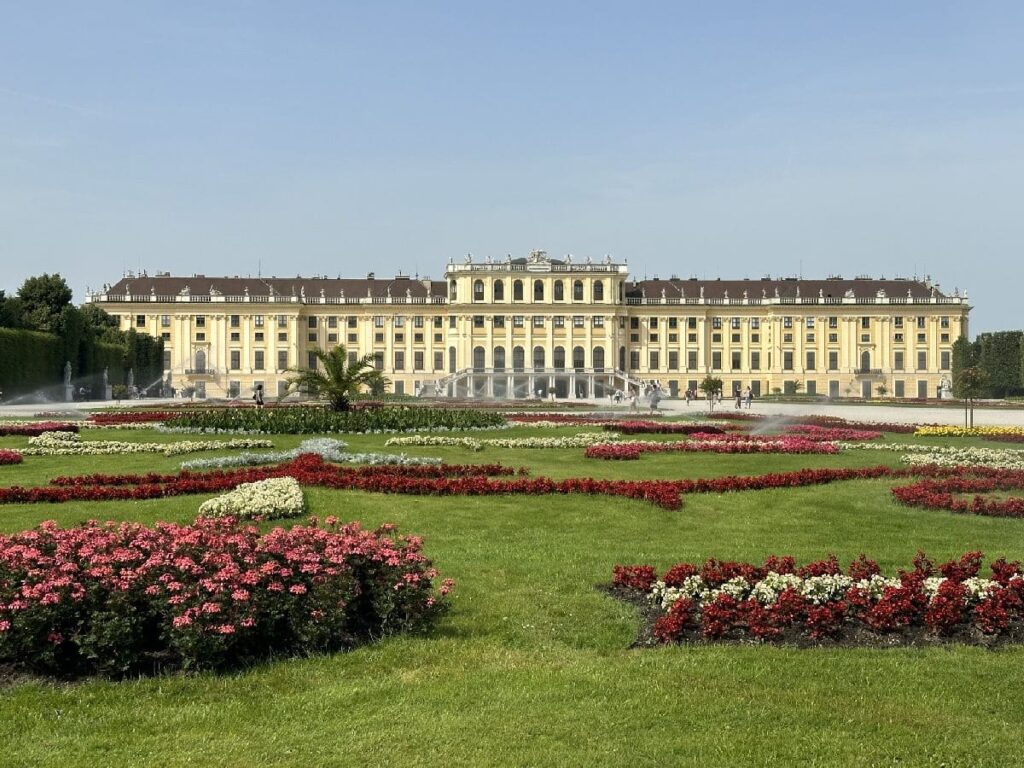
Day two is dedicated to Schönbrunn Palace, the former summer residence of the Habsburgs.
Schönbrunn Palace interiors
Reach Schönbrunn easily via U4 metro line. Time slots help manage crowds, but it still gets busy. The State Apartments give a compact but impressive insight into palace life. Tickets are available online or on site.
Children’s Museum (family-friendly)
Traveling with kids? The Children’s Museum Schönbrunn is interactive and fun – costumes included. Highly recommended for families.
Schönbrunn Gardens & Palmenhaus
Most of the gardens are free to enter and perfect for a relaxed walk. Highlights include:
- the Palmenhaus (Europe’s largest preserved glasshouse)
- the maze (fun and surprisingly challenging)
The Schönbrunn Zoo is nearby as well, but we skipped it due to time.
Fiaker ride through the Old Town
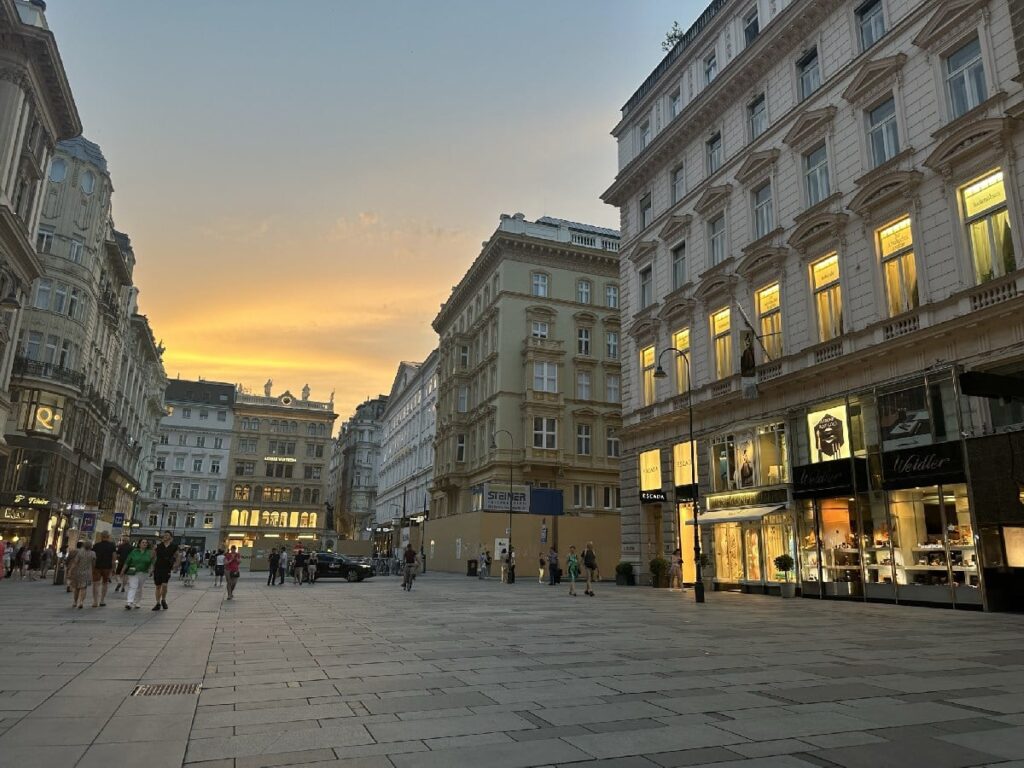
In the evening, we treated ourselves to a Fiaker carriage ride starting at Stephansplatz. It’s not cheap, but it’s a memorable way to see Vienna.
Tip: Choose operators who treat their horses responsibly and allow regular breaks.
For a smooth 3-day itinerary, booking a few key tickets in advance can save time and help you stick to your daily plan – especially in peak season.
recommended tickets:
- Spanish Riding School – morning training or guided tour
- Schönbrunn Palace – skip-the-line ticket
- St. Stephen’s Cathedral – all-in-one ticket
- Danube Canal or Danube River Cruise
- Classical concert in Vienna
If you’re short on time, pre-booking these experiences can make your 3 days in Vienna noticeably more relaxed.
Day 3: Views, history & Prater
On your third day in Vienna, it’s time to revisit a few highlights from a new perspective, enjoy panoramic views, and end your trip with a mix of history and fun.
St. Stephen’s Cathedral South Tower
We started with the South Tower, climbing 343 steps to Vienna’s highest viewpoint. It’s a workout – but absolutely worth it.
St. Peter’s Church & Capuchin Crypt
Next stops:
- St. Peter’s Church Vienna
- Capuchin Crypt – burial place of the Habsburgs
The crypt is fascinating and slightly eerie, but very informative.
Palace of Justice
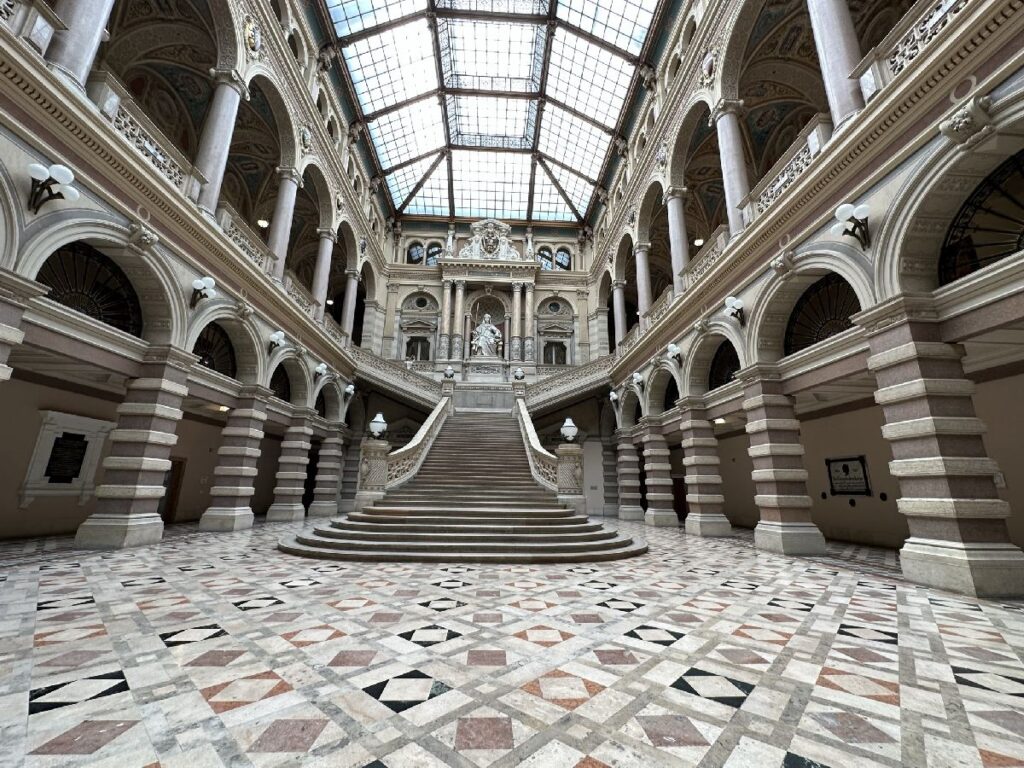
Don’t miss the Palace of Justice Vienna. After a short security check, you can admire the grand interior – and enjoy one of the best free viewpoints from the café upstairs.
Prater & Giant Ferris Wheel
No Vienna trip is complete without the Vienna Prater. The historic Giant Ferris Wheel is a highlight, especially for families.
How to get around Vienna in 3 days
Vienna is ideal for walking, especially in the historic center. Most sights are close together, and the city is flat and pedestrian-friendly.
Public transport is excellent:
- U-Bahn runs daily from ~5:30 am to midnight
- Night services on weekends & holidays
For a guided overview, consider:
Final thoughts: Is 3 days in Vienna worth it?
Absolutely. Three days in Vienna offer the perfect balance: enough time to see the highlights while still leaving reasons to return.
The historic center and Schönbrunn may be popular, but they’re popular for a reason. Next time, I’d love to visit Vienna in winter to explore museums and Christmas markets.
Planning more or less time?
Considering a transport pass? Check prices for the Vienna City Card
Pingback: How Many Days in Vienna? 1–5 Days Realistically Explained