
Planning a trip to Berlin and wondering which attractions are actually worth visiting? Germany’s capital has so much to offer, from famous landmarks like the Brandenburg Gate and Reichstag Building to historic neighborhoods, street art, museums, and beautiful parks.
But with so many things to do in Berlin, it’s not always easy to decide where to start, especially if you’re visiting for the first time.
I live in Berlin, and even after years of exploring my hometown, I still enjoy discovering new places. I’ve visited the Reichstag dome several times, admired the city from the TV Tower, explored historic sites, and discovered quieter corners that many visitors never get to see.
In this guide, I’m sharing my favorite Berlin attractions, honest recommendations, and practical local tips to help you decide what to see and how to plan your sightseeing.
I’ll also explain which places I think are especially worthwhile for first-time visitors and which ones I’d save for a longer stay.
Because Berlin isn’t a city you need to rush through to enjoy.
Berlin Attractions at a Glance: My Top Recommendations
If you’re visiting Berlin for the first time, these are the five attractions I would prioritize:
- Brandenburg Gate: Berlin’s most famous landmark, free to visit and an excellent starting point for sightseeing.
- Reichstag Building: Visit the impressive glass dome for free, but remember to register in advance.
- Berlin TV Tower: Enjoy panoramic views over the city from one of Berlin’s most recognizable landmarks. A ticket is required.
- Museum Island: Explore beautiful historic architecture and some of Berlin’s most important museums. Walking around the island is free.
- East Side Gallery: Discover Berlin Wall history through an outdoor collection of murals. Admission is free.
My tip: You don’t need to visit all five attractions in one day. Brandenburg Gate and the Reichstag are close together, while Museum Island and the TV Tower work particularly well as another sightseeing combination.
If you’re planning to visit the Berlin TV Tower, I recommend checking ticket availability before your trip, especially during weekends and busy travel periods.
Planning to spend a few days in Berlin? Take a look at my 3-day Berlin itinerary, where I share how to combine the city’s famous landmarks with local neighborhoods, street art and a few of my favorite places as a born-and-raised Berliner.
The Best Things to Do in Berlin: Famous Landmarks Worth Visiting
Berlin’s most famous attractions tell the story of a city shaped by Prussian history, two world wars, division, and reunification.
But not every famous landmark requires hours of sightseeing. Some are worth visiting for their history, others for the architecture or the experience itself.
These are the Berlin sights I would recommend starting with.
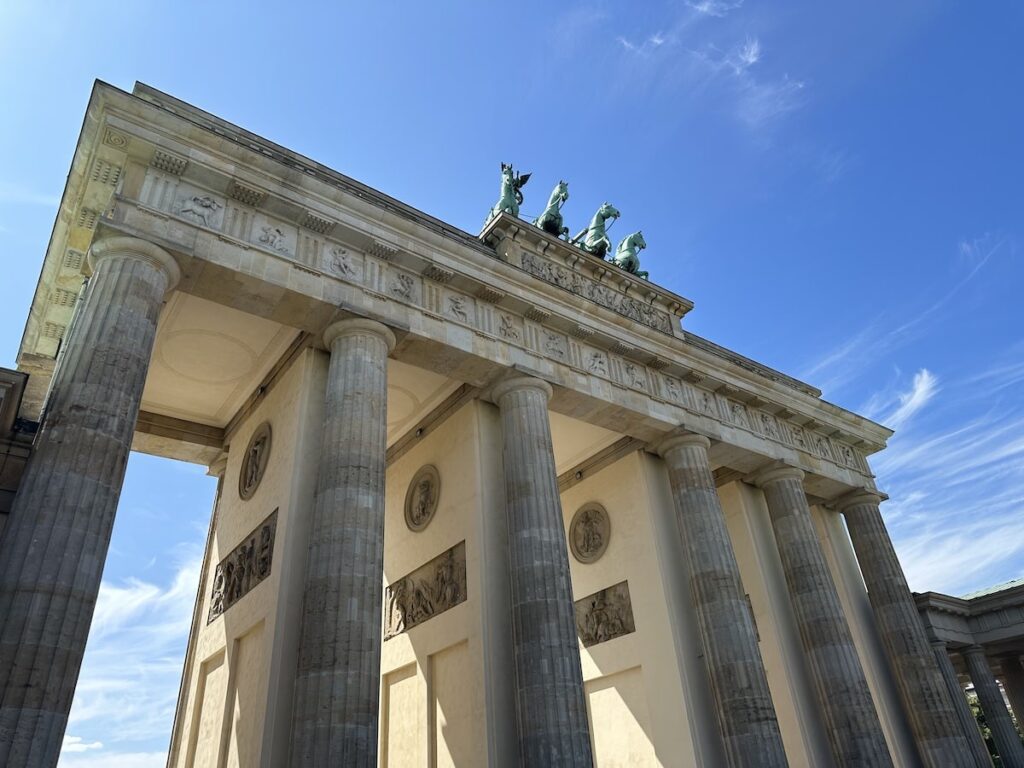
1. Brandenburg Gate: Berlin’s Most Famous Landmark
The Brandenburg Gate is probably the first landmark that comes to mind when you think of Berlin. And although I’ve seen it countless times, I still enjoy walking across Pariser Platz and admiring its impressive columns.
Built in the late 18th century, the gate has witnessed some of the most important events in German history.
During the Cold War, it stood in the restricted border area between East and West Berlin. Today, it’s one of the city’s most recognizable symbols of German reunification.
For first-time visitors, I think it’s an excellent place to begin exploring Berlin.
You can easily combine your visit with the Reichstag Building, the Memorial to the Murdered Jews of Europe, and a walk through Tiergarten.
Is it worth visiting? Absolutely. You don’t need much time to see the gate itself, but it’s one of those landmarks that belongs on a first Berlin itinerary.
My tip: Visit early in the morning if you want to take photographs without large crowds. During the day, Pariser Platz can get quite busy.
2. Reichstag Building: Visit the Impressive Glass Dome
The Reichstag Building is one of my personal favorites in Berlin. I’ve visited the glass dome several times, and I still find the combination of architecture, history, and city views fascinating.
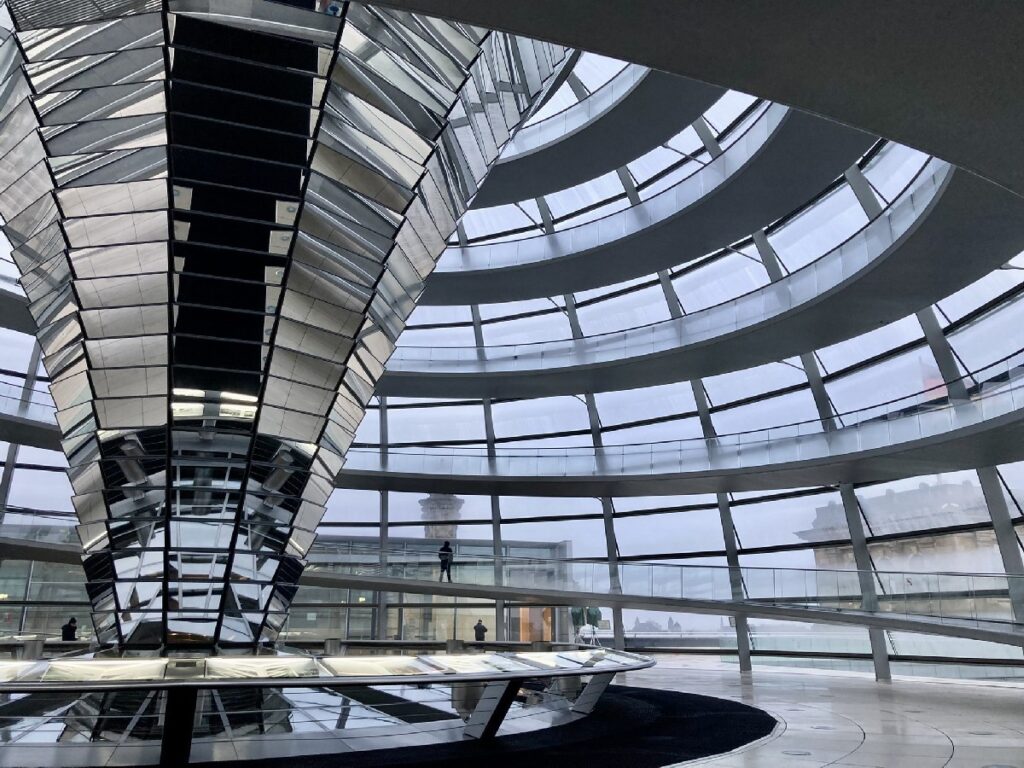
The modern glass dome, designed by architect Norman Foster, sits above the historic German parliament building.
Inside, a spiral walkway leads upward, offering different perspectives over Berlin. You can also learn more about the building and its political significance.
What I particularly like is that you can enjoy the views while discovering more about Germany’s history and parliamentary democracy.
And the best part? Visiting the Reichstag dome is free.
However, advance registration through the official German Bundestag website is required. You’ll also need to bring valid identification.
Is it worth visiting? Definitely. For me, it’s one of the best free experiences in Berlin, especially if you’re interested in architecture, history, and city views.
My tip: Don’t leave registration until the last minute. Popular visiting times can fill up, particularly during weekends and school holidays.
3. Berlin TV Tower: My Favorite View Over the City
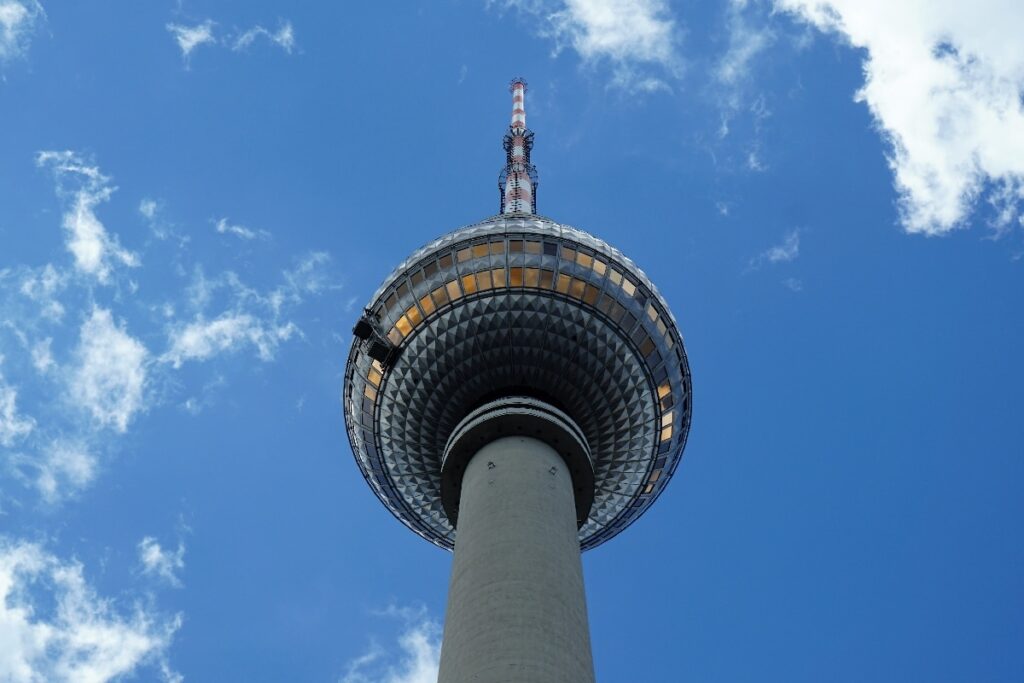
If there’s one Berlin attraction I never get tired of visiting, it’s the TV Tower, also known as the Fernsehturm.
Standing at Alexanderplatz, it’s one of the most recognizable landmarks in the city.
But for me, the real highlight is the view from the observation deck.
From above, Berlin suddenly looks completely different. You can see how enormous the city is, recognize familiar landmarks, and get a much better understanding of its layout.
Even though I know Berlin well, I still enjoy discovering familiar places from this perspective.
I recommend visiting the TV Tower either at the beginning of your trip or later in the day.
On clear days, the views are particularly impressive. However, cloudy or foggy weather can significantly limit visibility.
Is it worth visiting? Yes, especially if you enjoy panoramic views and want to see Berlin from above. However, unlike the Reichstag dome, the TV Tower requires a paid ticket.
My tip: Choose a timed-entry ticket if you want to fit your visit into a sightseeing itinerary. I would also check the weather forecast before deciding when to go.
4. Museum Island: Discover Berlin’s Cultural Heritage
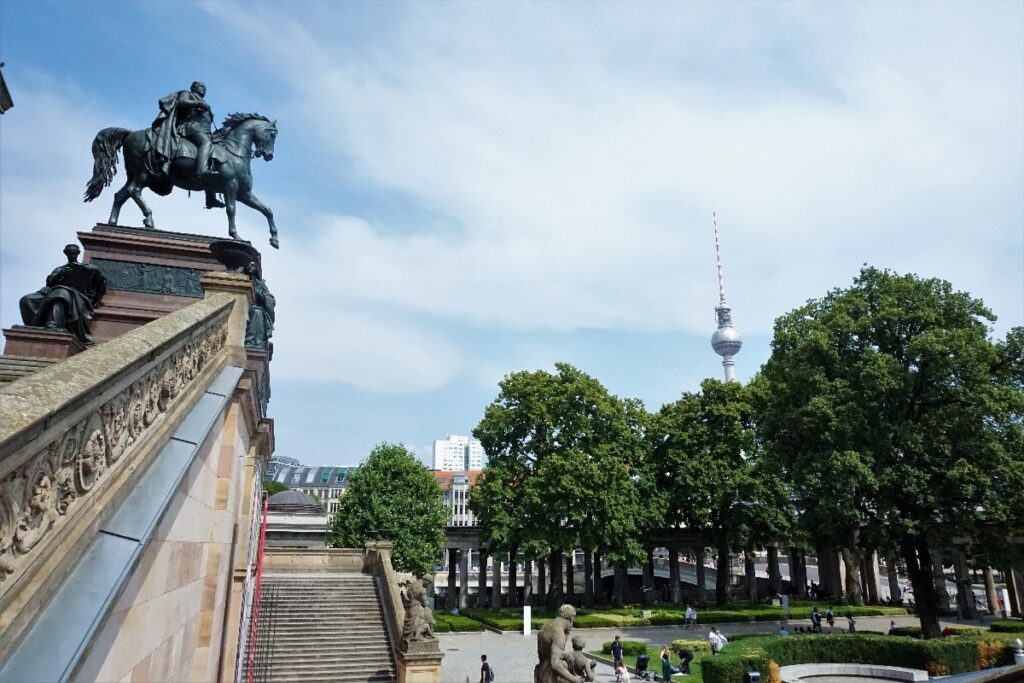
Museum Island is one of the most beautiful historic areas in central Berlin and a UNESCO World Heritage Site.
Located at the River Spree, it’s home to several internationally renowned museums.
Even if you’re not planning to visit a museum, I think the area is worth exploring for its architecture alone. You can admire the impressive museum buildings, visit Berlin Cathedral nearby, and enjoy a walk along the river.
Personally, I wouldn’t recommend trying to visit several major museums in a single day.
Even as someone who lives in Berlin, I prefer choosing one museum and taking my time rather than rushing through several collections.
Is it worth visiting? Yes, even without entering a museum. The historic surroundings are an attraction in themselves.
My tip: Check current museum openings before your visit. Some buildings may be closed for renovation, and exhibition schedules can change. If you want to visit several museums, compare available museum passes before purchasing individual tickets.
Planning to visit several museums on Museum Island?
If you want to explore more than one museum, a combined entry ticket can be a convenient option. Compare the included museums and check availability before your visit.
Important visitor information: The Pergamon Museum is currently closed for extensive renovation, with reopening scheduled for June 4, 2027. However, other museums on Museum Island remain open, including the Neues Museum and Alte Nationalgalerie. Most museums are closed on Mondays, so check the official opening hours before planning your visit.
You can find current information on the official Berlin State Museums website.
5. East Side Gallery: Art and History Along the Berlin Wall
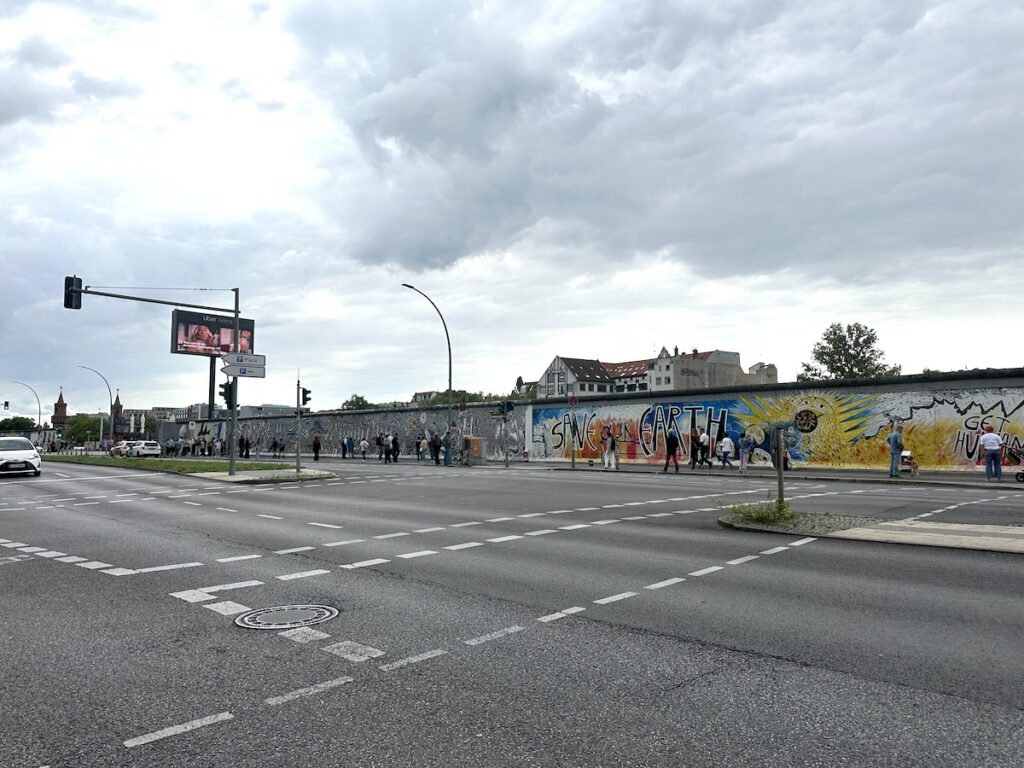
The East Side Gallery is one of Berlin’s most recognizable historical attractions.
This long, preserved section of the Berlin Wall has been transformed into an open-air gallery featuring artwork by international artists.
For me, it’s a place where Berlin’s history and creative character come together.
Some murals are colorful and playful, while others reflect political messages and the city’s divided past. You can walk along the gallery at your own pace, stopping to look at the different artworks.
The East Side Gallery is free to visit and works particularly well as part of a walk through Friedrichshain or along the River Spree.
Is it worth visiting? Yes. It’s one of the best places to understand how Berlin’s history continues to shape its identity.
My tip: Don’t rush through the gallery just to photograph the most famous murals. Take some time to look at the artwork and the messages behind it.
Explore Berlin’s Most Charming Neighborhoods
Not everything worth seeing in Berlin is a famous landmark.
Some of my favorite places are smaller neighborhoods where you can walk around, explore independent shops, and enjoy the atmosphere.
These are particularly good additions to your itinerary if you want to experience Berlin beyond its major attractions.
Hackesche Höfe: Beautiful Courtyards and Small Shops
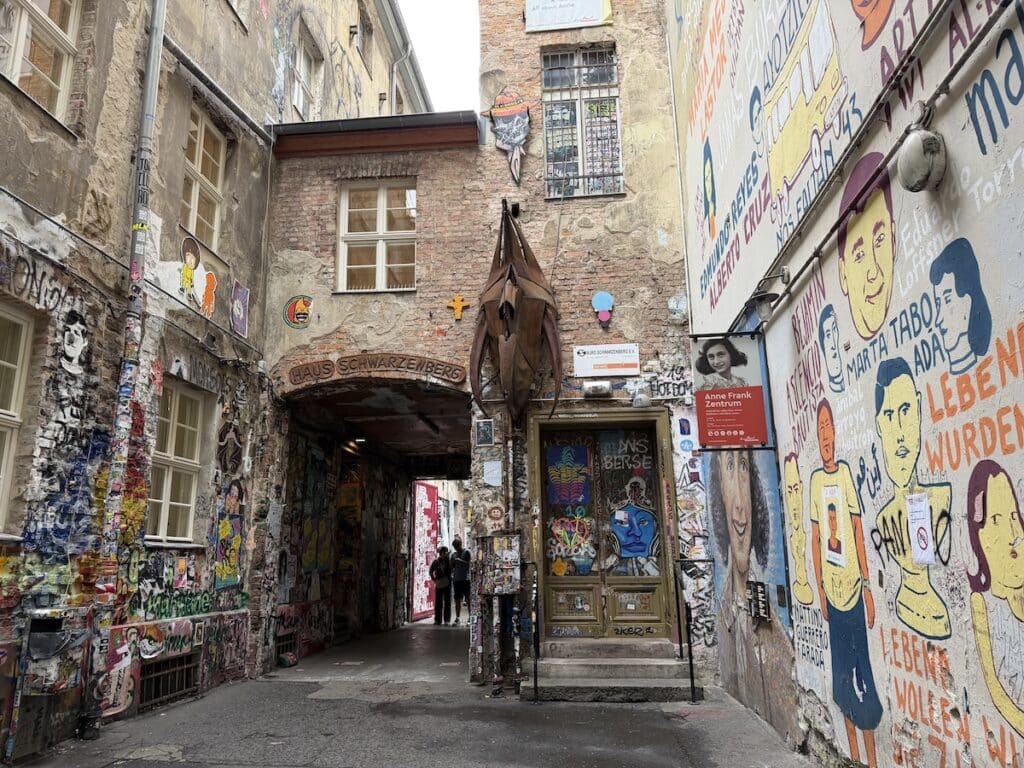
The Hackesche Höfe are among my favorite places to explore in Berlin Mitte.
This collection of interconnected courtyards is known for its beautiful architecture, small boutiques, cafés, and creative atmosphere.
It’s a lovely place to wander without a particular plan.
I especially enjoy visiting when I have some time between sightseeing stops or want to take a break from the busier streets around Alexanderplatz.
You don’t need to spend hours here. Even a short walk through the courtyards is worthwhile.
My tip: Combine the Hackesche Höfe with Museum Island or a stroll around Hackescher Markt. All three are conveniently located in central Berlin.
Nikolaiviertel: A Little Village in the Middle of Berlin
The Nikolaiviertel feels surprisingly different from the surrounding city.
With its cobblestone streets, narrow lanes, and traditional-looking buildings, this small historic quarter has an almost village-like atmosphere.
Although much of the area was reconstructed, it offers a charming contrast to Berlin’s modern architecture.
I like coming here when I want to slow down after visiting some of the larger attractions.
You can explore the streets, stop for a coffee, or visit one of the smaller museums.
One interesting option is the Zille Museum, dedicated to Heinrich Zille, an artist known for depicting everyday life in Berlin.
It’s not one of the city’s major museums, but if you’re interested in local history, humor, and traditional Berlin culture, it can be an enjoyable addition.
My tip: Nikolaiviertel is conveniently located near Alexanderplatz and Museum Island, making it easy to include in a sightseeing walk.
Where to Enjoy the Best Views of Berlin
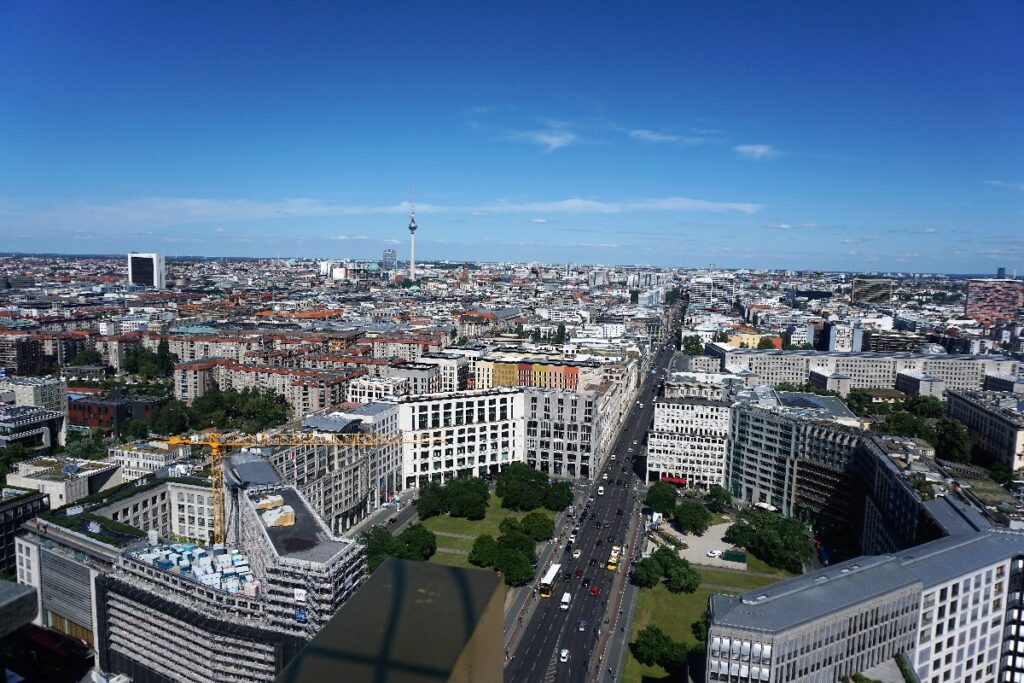
Berlin has several observation decks and viewpoints, and they all offer slightly different experiences.
You certainly don’t need to visit every one of them.
If you only have time for one viewpoint, I would choose based on what kind of experience you’re looking for.
For a classic panoramic view in the city center, I recommend the Berlin TV Tower, which I’ve already described above.
But there are also some less obvious places worth considering.
Teufelsberg: Street Art and an Unusual Atmosphere
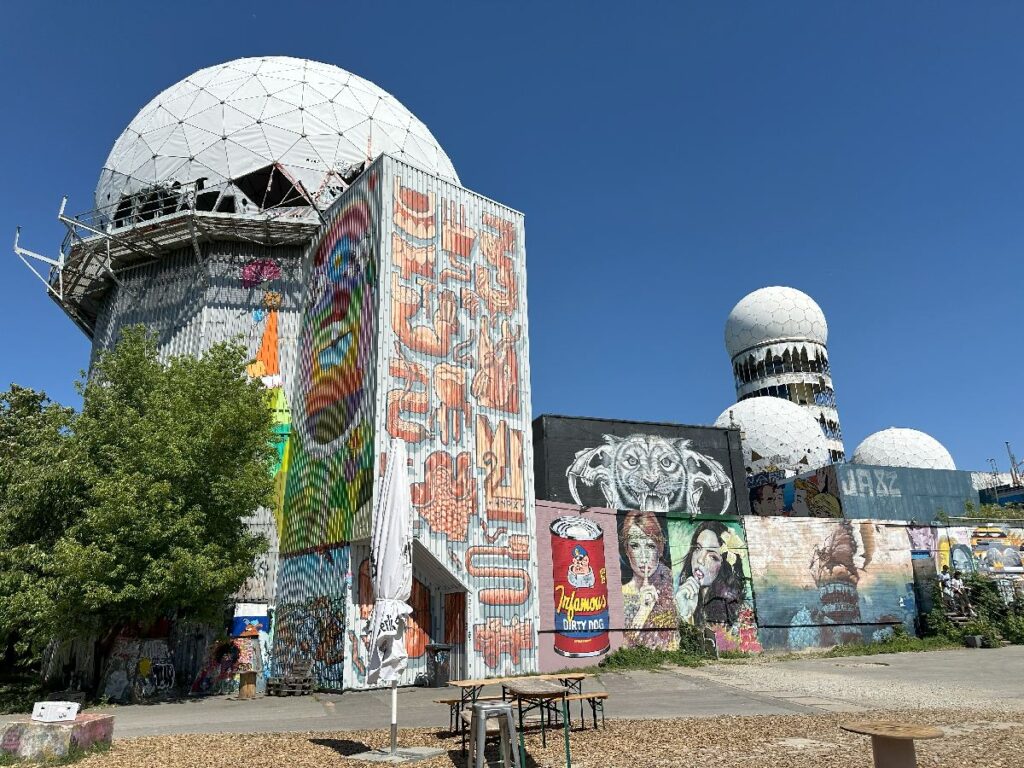
Teufelsberg is a completely different experience from the TV Tower.
Located on an artificial hill in western Berlin, this former Cold War listening station is now known for its street art, historic structures, and unusual atmosphere.
It’s one of those places that feels quite different from Berlin’s traditional tourist attractions.
I particularly like the combination of urban art, history, and views over the surrounding area.
However, Teufelsberg takes more time to reach than the central viewpoints.
Is it worth visiting? Yes, especially if you’ve already seen Berlin’s main landmarks or want to explore a more alternative side of the city.
My tip: Allow enough time for the journey and check current admission details before visiting.
Planning your visit: Teufelsberg is a paid attraction, with standard adult admission currently costing €12. Opening hours vary depending on the season and sunset. In October 2026, the site is open daily from 11 am to 7 pm, with last admission one hour before closing.
Want to explore Berlin’s former Cold War listening station?
Teufelsberg is a fascinating place to discover street art, Cold War history, and unusual views over Berlin. If you’re planning a visit, you can check admission tickets and availability in advance.
Glockenturm Berlin: An Underrated Viewpoint
The Berlin Bell Tower, or Glockenturm, is located near the Olympic Stadium.
It’s much less famous than the TV Tower, but I think it’s an interesting option if you’re exploring western Berlin.
The views over the Olympic grounds and the surrounding city are impressive.
What makes it particularly interesting is the perspective over Berlin’s historic Olympic complex.
Is it worth visiting? I would recommend it if you’re already planning to explore the Olympic Stadium area. For a short first visit to Berlin, I’d prioritize a more central viewpoint.
My tip: Check seasonal opening times before your visit, as access isn’t necessarily available throughout the year.
Glockenturm Berlin: Currently Closed
The Berlin Bell Tower, known as the Glockenturm, is located near the Olympic Stadium in western Berlin.
I’ve enjoyed the impressive views over the Olympic grounds and the surrounding city from this lesser-known viewpoint.
Important: The Glockenturm is currently closed to visitors until further notice. If you’re planning a trip to Berlin, don’t include it as an accessible observation deck until the reopening has been officially confirmed.
Panoramapunkt: A Convenient View from Potsdamer Platz
Panoramapunkt is another option for enjoying views over central Berlin.
Located at Potsdamer Platz, it’s convenient if you’re already sightseeing nearby.
Personally, I find the TV Tower or Teufelsberg more memorable as an overall experience.
However, Panoramapunkt is a practical choice if you want a shorter visit without traveling far.
My tip: This viewpoint is particularly convenient if you’re combining Potsdamer Platz with nearby attractions such as the Memorial to the Murdered Jews of Europe.
Enjoy Berlin’s Green Spaces and Relaxing Attractions
One thing I particularly appreciate about Berlin is how easy it is to escape the busy streets.
The city has large parks, lakes, gardens, and surprisingly peaceful areas.
If you’re spending several days in Berlin, I would definitely include some time outdoors.
Tiergarten: A Green Escape in Central Berlin
Tiergarten is one of the most convenient places to take a break during sightseeing.
The large park stretches through central Berlin and is close to several major landmarks.
You can combine a walk through Tiergarten with the Brandenburg Gate, the Reichstag Building, or the Victory Column.
For me, it’s a lovely way to slow down without leaving the city center.
My tip: Tiergarten is particularly useful if you want to combine sightseeing with a relaxing walk instead of spending the entire day visiting museums and monuments.
Peacock Island: A Peaceful Escape from the City
Peacock Island, known as Pfaueninsel, feels far removed from Berlin’s busy streets.
Located in the River Havel, this peaceful island is known for its natural surroundings, historic buildings, and peacocks.
It’s not somewhere I would recommend squeezing into a short sightseeing itinerary.
However, if you have several days in Berlin and enjoy nature, it’s a beautiful option for a quieter excursion.
Is it worth visiting? Yes, if you enjoy peaceful places and have already explored the main city attractions.
My tip: Plan this as a separate excursion rather than combining it with a busy sightseeing day in central Berlin. Check ferry and access information before setting off.
Britzer Garten: A Relaxing Garden Visit
Britzer Garten is another place I enjoy when I want to spend time outdoors.
The landscaped gardens, lakes, and walking paths make it ideal for a relaxed afternoon.
It’s particularly attractive during the warmer months when the flowers and gardens are in bloom.
Because it’s located outside the main sightseeing areas, I would recommend it for a longer stay rather than your first day in Berlin.
My tip: Britzer Garten is a good choice if you want to escape the busy city center for a few hours. Remember that admission is charged.
Museums and Unique Experiences in Berlin
Berlin has an enormous variety of museums, ranging from major historical collections to smaller, more unusual attractions.
My advice is simple: Don’t try to fit too many museums into one day.
Choose the experiences that genuinely interest you.
If you’re interested in major art and cultural collections, Museum Island is an excellent starting point.
But there are also some very different museums worth considering.
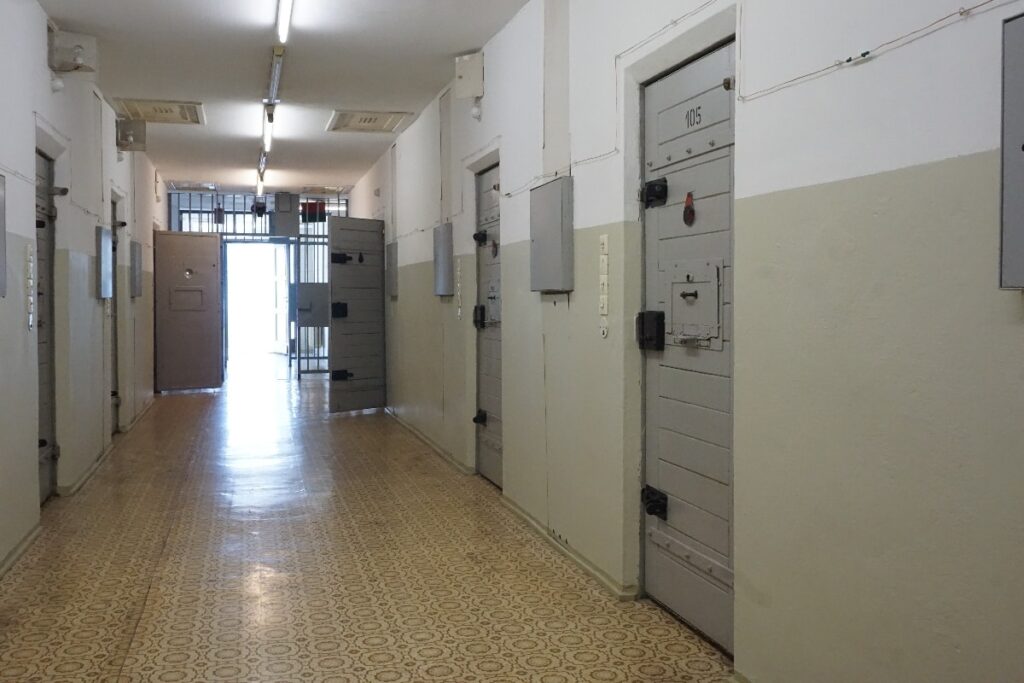
Berlin-Hohenschönhausen Memorial: Understanding the City’s Divided Past
The Berlin-Hohenschönhausen Memorial is a former Stasi prison and an important place for understanding political persecution in East Germany.
A visit can be emotionally intense, but it’s also an opportunity to learn more about Berlin’s recent history.
Unlike a traditional museum, the memorial focuses on the experiences of people who were imprisoned here.
I would recommend allowing enough time and choosing a guided tour if available.
Is it worth visiting? Particularly if you’re interested in the history of East Germany and want to understand more about life under the former dictatorship.
My tip: Check available tour languages and visiting arrangements in advance.
Planning your visit: The Berlin-Hohenschönhausen Memorial is open daily from 10 am to 6 pm. Admission to the exhibitions is free, but the former Stasi prison can only be visited on a guided tour.
English-language tours are currently offered daily at 10:40 am, 12:40 pm, and 2:40 pm. Standard admission for a guided tour costs €9.
I recommend booking through the official memorial website and allowing around two hours for your visit.
Computerspielemuseum: Something Different
The Computerspielemuseum is a fun alternative to Berlin’s traditional history and art museums.
Dedicated to the history of computer games, it includes interactive exhibits and displays of gaming technology.
It’s particularly interesting if you’re traveling with children, teenagers, or anyone who enjoys video games.
Unlike some of Berlin’s more traditional museums, the interactive elements make this an experience rather than simply a collection of exhibits.
My tip: This is also a useful option for a rainy day in Berlin.
Berlin Beyond the Famous Tourist Attractions
Once you’ve visited the main landmarks, it’s worth exploring some of Berlin’s quieter and less obvious places.
These are the kinds of destinations that show how varied the city really is.
I wouldn’t recommend trying to include all of them in a first-time sightseeing itinerary. However, they can be lovely additions if you’re staying longer or returning to Berlin.
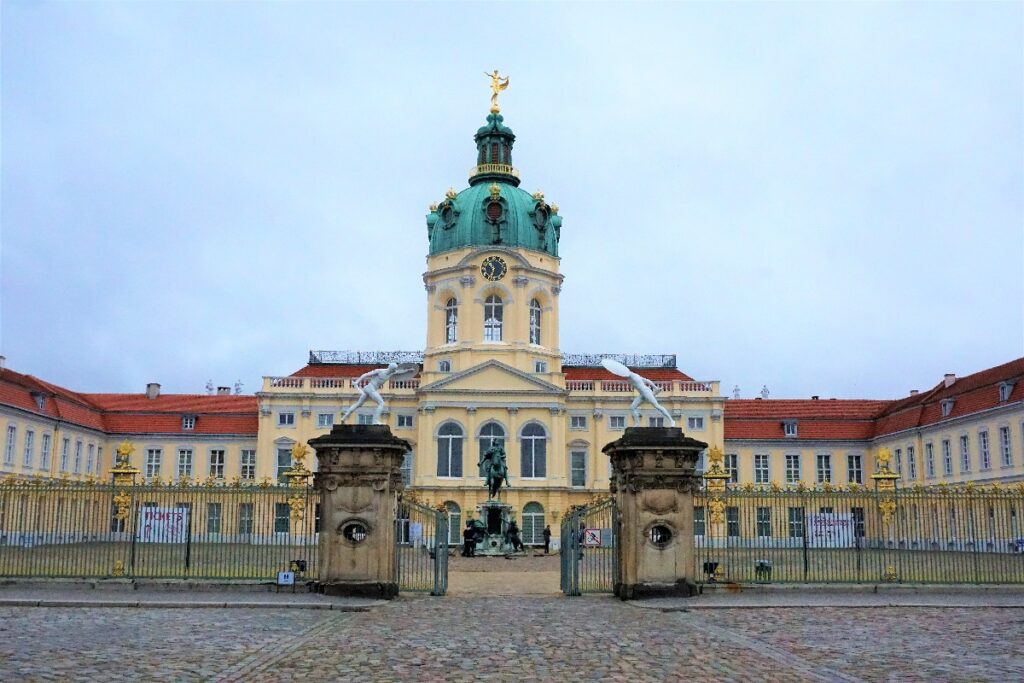
Charlottenburg Palace: Royal History and Beautiful Gardens
Charlottenburg Palace is one of Berlin’s most impressive historic buildings.
With its elegant architecture and extensive gardens, it offers a completely different atmosphere from the busy streets of central Berlin.
It’s a lovely option if you’re interested in royal history, architecture, or simply want to spend some time in beautiful surroundings.
My tip: Allow time to explore the palace grounds as well as the building itself. Check which palace rooms and exhibitions are open before visiting.
Planning to explore Charlottenburg Palace?
If you’d like to discover the palace’s beautiful interiors and learn more about Berlin’s royal history, it’s worth checking the available admission tickets before your visit.
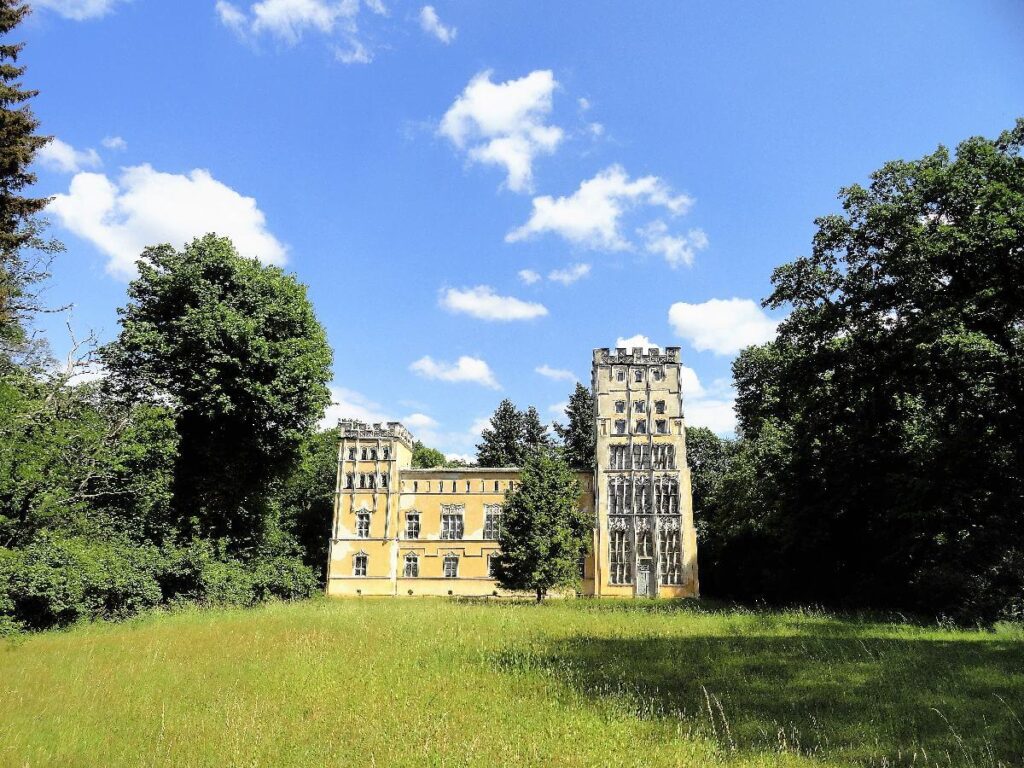
Schloss Biesdorf: A Quieter Side of Berlin
Schloss Biesdorf is a much quieter destination in eastern Berlin.
The historic building and surrounding park make it a pleasant place for a relaxed visit.
It’s not a major tourist attraction, but that’s exactly why it can be interesting if you want to discover a different side of the city.
I would recommend it for a longer stay rather than a short weekend focused on Berlin’s famous landmarks.
Lübars: Village Life Within Berlin
Lübars is one of those places that hardly feels like Berlin at all.
With its village atmosphere and surrounding countryside, it’s a surprising contrast to the city center.
It’s an interesting reminder that Berlin isn’t just a collection of busy streets and historic buildings.
My tip: Consider Lübars if you’ve already explored the main attractions and want to spend some time discovering Berlin’s quieter outskirts.
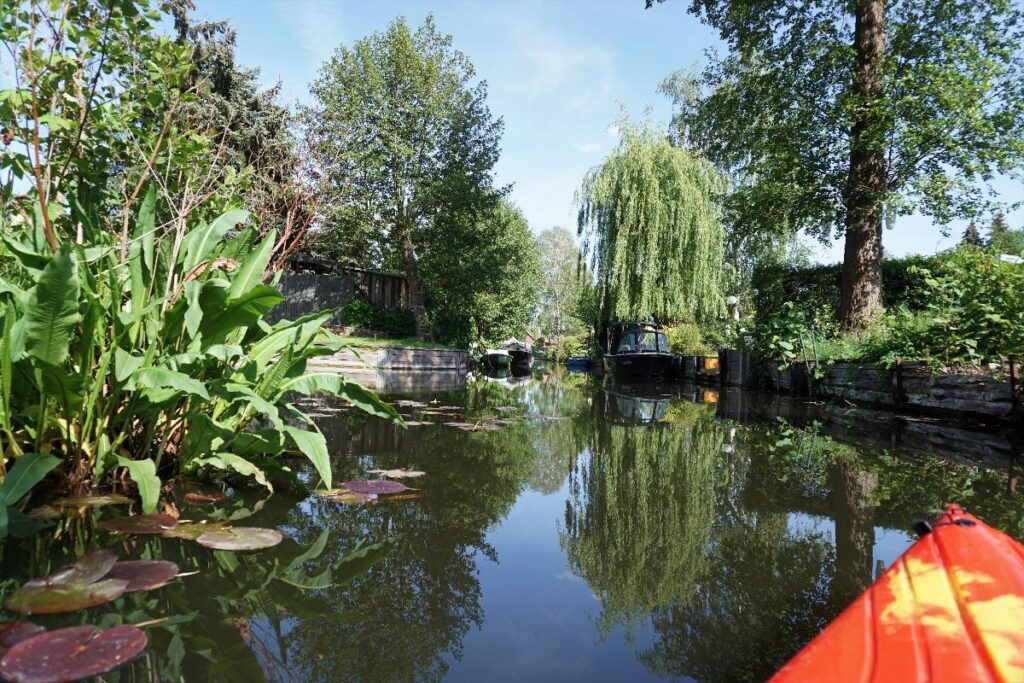
Rahnsdorf: Lakes, Water, and a Slower Pace
Rahnsdorf is another lovely area for enjoying Berlin’s quieter side.
Located in the southeastern part of the city, it’s known for its waterways and relaxed atmosphere.
It’s especially appealing during the warmer months.
If you enjoy walking, spending time by the water, or simply escaping the busy city, Rahnsdorf is worth considering.
My tip: This is a destination I’d save for a longer Berlin trip, particularly if you enjoy nature and waterside walks.
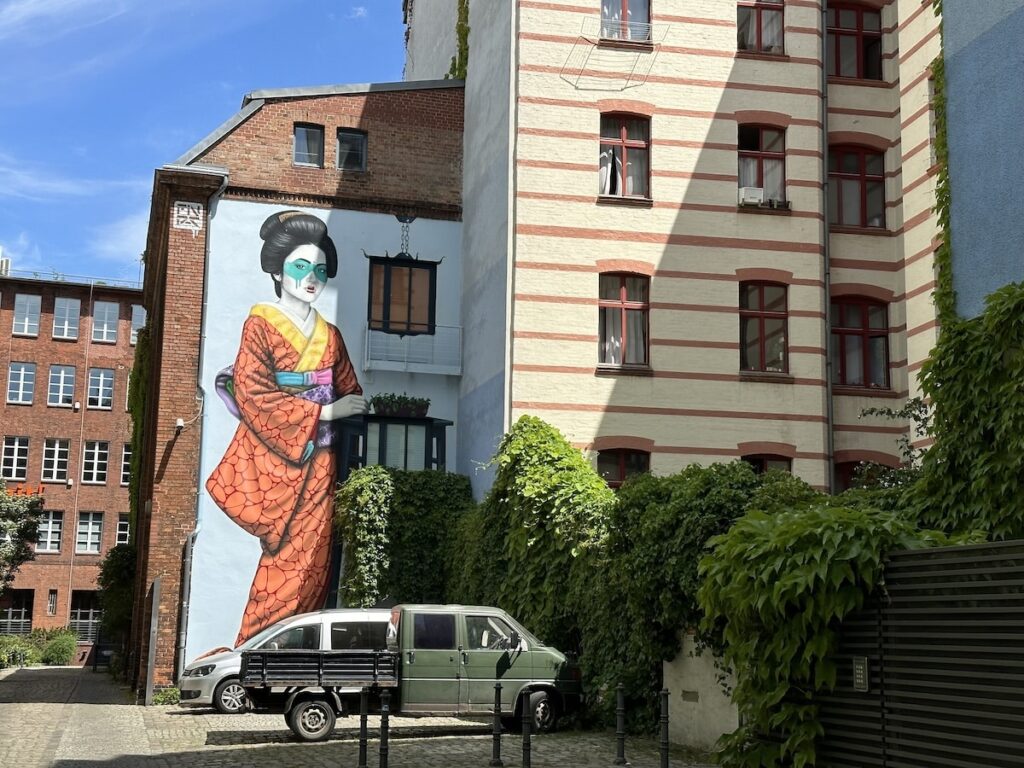
Discover Alternative Berlin: Street Art and Creative Neighborhoods
Berlin isn’t just about famous monuments and museums.
A large part of its character comes from its neighborhoods, street art, independent shops, and creative spaces.
For me, exploring these areas is one of the best ways to experience the city beyond the classic tourist attractions.
Kreuzberg: Street Art and Local Culture
Kreuzberg is one of Berlin’s most distinctive neighborhoods.
It’s known for its multicultural atmosphere, independent businesses, street art, and political history.
Rather than rushing from one attraction to another, I would recommend spending some time walking around.
Stop for something to eat, explore the smaller streets, and enjoy the atmosphere.
My tip: Kreuzberg is best experienced without an overly strict sightseeing schedule. Leave some time to discover places that catch your attention along the way.
Friedrichshain: Urban Berlin and Creative Spaces
Friedrichshain is another interesting neighborhood if you want to experience Berlin’s alternative side.
The area combines lively streets, cafés, street art, and nightlife.
It’s also home to the East Side Gallery, making it easy to combine history with a neighborhood walk.
If you’ve already visited Berlin’s main landmarks, spending some time in Friedrichshain can offer a different perspective on the city.
Is a Berlin Street Art Tour Worth It?
If you’re interested in understanding the stories behind Berlin’s street art, a guided tour can be worthwhile.
You’ll learn more about the artists, political messages, and neighborhoods rather than simply taking photographs of murals.
However, if you prefer exploring independently, you can also enjoy these areas without a guide.
My tip: Allow yourself some time without a fixed itinerary. Some of my favorite Berlin discoveries have happened while simply walking through a neighborhood.
How to Plan Your Berlin Sightseeing Without Rushing
Berlin is a large city, and traveling between attractions can take longer than you might expect.
That’s why I recommend planning around two or three main activities per day rather than trying to see everything.
The easiest approach is to combine attractions that are close together.
Which Berlin Attractions Can You Combine?
Here are three combinations I would recommend:
| Area | Attractions to combine |
| Brandenburg Gate and government district | Brandenburg Gate, Reichstag Building, Memorial to the Murdered Jews of Europe, Tiergarten |
| Berlin Mitte | Berlin TV Tower, Museum Island, Nikolaiviertel, Hackesche Höfe |
| Friedrichshain | East Side Gallery, River Spree, Friedrichshain neighborhood |
This way, you spend less time traveling across the city and more time actually exploring.
A Realistic One-Day Berlin Sightseeing Plan
If you only have one day in Berlin, I would focus on the historic center rather than trying to visit attractions all over the city.
| Time | Suggested activity |
| Morning | Brandenburg Gate and Reichstag Building |
| Lunch | Walk through Tiergarten and stop for lunch |
| Afternoon | Museum Island or Berlin TV Tower |
| Evening | Explore a neighborhood and enjoy dinner |
This gives you a good mix of history, famous landmarks, and time to enjoy the city.
However, remember that visiting the Reichstag dome requires advance registration. If your available time slot doesn’t fit the itinerary, adjust the order of your activities.
I would also choose between a museum visit and the TV Tower rather than trying to squeeze both into a busy afternoon.
Is a Berlin Sightseeing Tour Worth It?
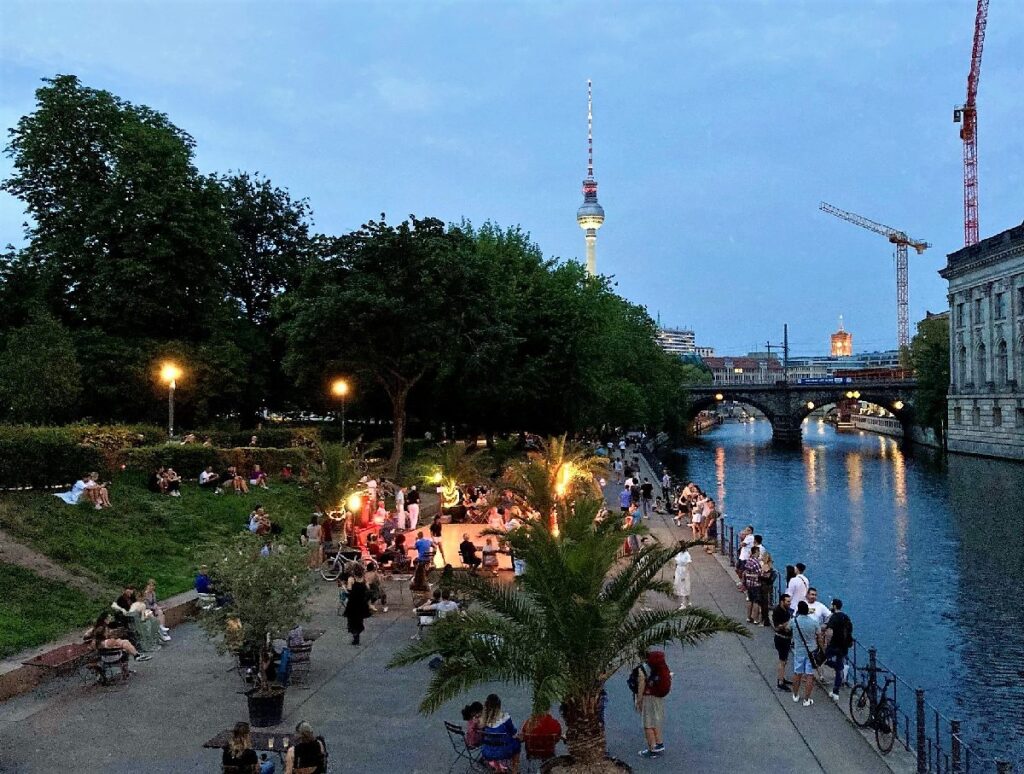
If you prefer a more relaxed way to explore Berlin, a sightseeing boat tour along the River Spree can be a nice addition.
It’s an opportunity to see several historic buildings and landmarks from a different perspective.
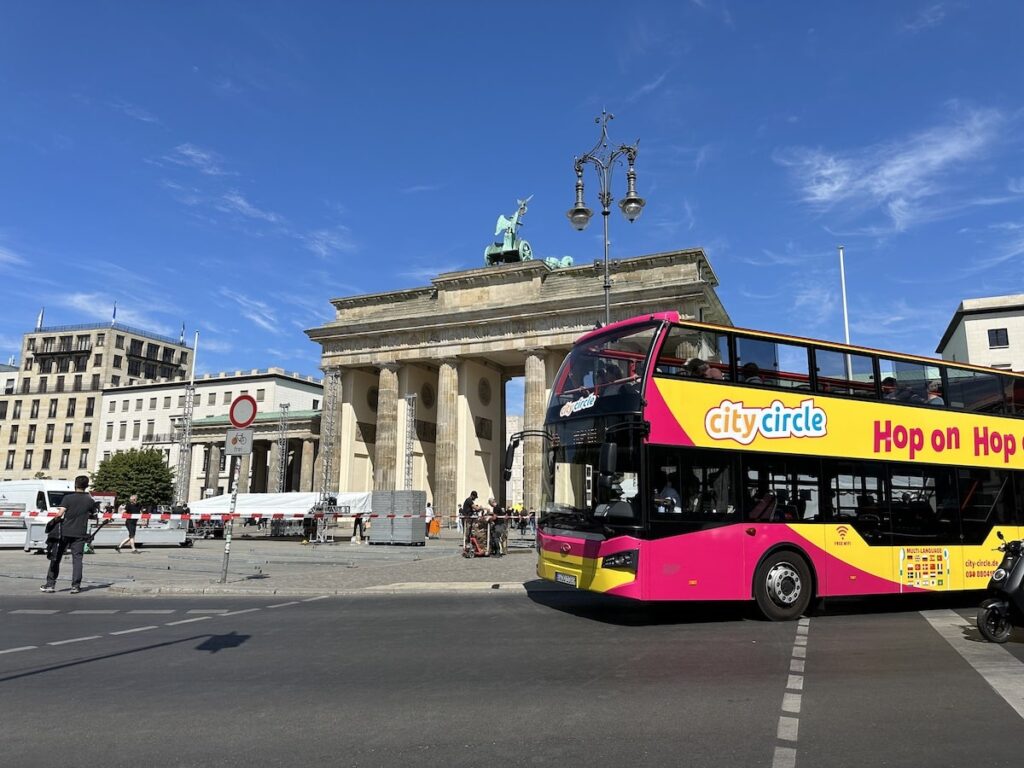
A hop-on hop-off bus tour is another option, particularly if you want an overview of the city without navigating public transportation all day.
Personally, I think Berlin is easy to explore independently using public transportation.
However, guided tours can be worthwhile if you’re interested in a particular topic or want more background information about the places you’re visiting.
Which Berlin Attractions Are Right for You?
Not every attraction will appeal to every traveler.
If you’re still deciding what to include in your itinerary, here’s how I would choose based on your interests.
| Your interests | My recommendations |
| First-time sightseeing | Brandenburg Gate, Reichstag, Museum Island |
| Panoramic views | Berlin TV Tower, Teufelsberg, Glockenturm |
| History and culture | Museum Island, Reichstag, Hohenschönhausen Memorial |
| Alternative Berlin | Kreuzberg, Friedrichshain, East Side Gallery |
| Parks and relaxation | Tiergarten, Peacock Island, Britzer Garten |
| Unusual places | Teufelsberg, Schloss Biesdorf, Lübars |
| Traveling with kids | Tierpark Berlin, Gardens of the World, interactive museums |
My personal recommendation: If it’s your first visit to Berlin, start with the major landmarks in the historic center. Once you’ve seen those, spend some time exploring a neighborhood or discovering one of the city’s quieter places.
That’s where you often get a much better feeling for everyday life in Berlin.
Travelling with children? I’ve also put together a separate guide to Berlin with kids, with family-friendly museums, outdoor activities and practical tips.
Frequently Asked Questions About Visiting Berlin
For your first trip, I would recommend the Brandenburg Gate, Reichstag Building, Berlin TV Tower, Museum Island, and East Side Gallery.
Together, these attractions give you a good introduction to Berlin’s history, architecture, and atmosphere.
If you have extra time, explore Hackesche Höfe or one of the city’s neighborhoods.
I would recommend at least three days for a first visit to Berlin.
This gives you enough time to explore the main landmarks, visit a museum or viewpoint, and discover a few neighborhoods without rushing.
If you want to include places outside the city center, such as Peacock Island or Teufelsberg, four or five days would be more comfortable.
I recommend planning two or three major attractions per day.
Berlin is spread out, and travel times can add up quickly.
You’ll enjoy your visit much more if you leave enough time for meals, walks, and unexpected discoveries.
Yes, especially if you enjoy panoramic city views.
I personally love seeing Berlin from above, and the TV Tower is a convenient choice for first-time visitors.
However, I would check the weather before booking, as poor visibility can affect the experience.
Yes, particularly if you’re interested in art, history, or architecture.
However, you don’t need to visit every museum.
I recommend choosing one museum that genuinely interests you and spending some time exploring the surrounding area.
Absolutely.
You can visit the Brandenburg Gate, explore the East Side Gallery, walk through Tiergarten, and discover neighborhoods such as Kreuzberg and Friedrichshain without paying an entrance fee.
Visiting the Reichstag dome is also free, although advance registration is required.
If you’ve already visited the main landmarks, I would recommend exploring Teufelsberg, discovering the village atmosphere of Lübars, or spending time around the waterways of Rahnsdorf.
These places offer a completely different perspective on Berlin and are particularly interesting if you’re returning to the city.
My Final Thoughts: The Best Way to Experience Berlin
Berlin has so many attractions that it’s tempting to fill every hour of your trip.
But after years of living here and exploring the city myself, I’ve learned that the best Berlin experiences aren’t necessarily the ones with the longest sightseeing lists.
For me, it’s the combination that makes the city special.
You might start your morning at the Brandenburg Gate, enjoy the views from the Reichstag dome, explore a museum in the afternoon, and finish the day in a neighborhood café.
Or you might spend an afternoon discovering street art, wandering through small courtyards, or relaxing in one of Berlin’s many parks.
My advice is to choose a few highlights that genuinely interest you and leave enough room for spontaneous discoveries.
That’s when Berlin becomes more than a collection of famous landmarks.
Continue Planning Your Berlin Trip
If you’re planning your first visit to Berlin, these guides will help you organize the rest of your trip:
- How Expensive Is Berlin? Find out what to budget for accommodation, food, transport, and sightseeing.
- Not sure how to fit Berlin’s main attractions into a short trip? My 2 Days in Berlin itinerary shows you which sights you can realistically combine over a weekend, with time for a few places beyond the historic center.
- 3 Days in Berlin: A Local’s Itinerary – Explore Berlin’s famous landmarks, creative neighborhoods and hidden gems with my relaxed 3-day itinerary from a local.
- Berlin one-day itinerary shows you how to combine famous landmarks into a practical sightseeing route, including transport tips and optional stops.
- Affordable Places to Stay in Berlin: Discover budget-friendly accommodation options and practical tips for choosing where to stay.
Whether you’re visiting for a weekend or staying longer, a little planning will help you make the most of your time in Germany’s capital.
Ready for your next Adventure?
Planning your next trip? Here are some useful travel resources to help you find accommodation, book activities, and prepare for your journey.
Find Your Perfect Stay
Find the right hotel or apartment for your trip.
Tours & Tickets
Explore attractions, tours, and experiences.
Travel Essentials
Discover useful gear for your next adventure.
A little note: Some links are affiliate links. If you book or purchase through them, I may earn a small commission at no extra cost to you. This helps me keep sharing free travel guides and honest recommendations. Thank you for your support!
Pingback: How expensive is Berlin? A realistic cost breakdown for your trip
Pingback: Affordable Places to Stay in Berlin: Cheap Hotels & Hostels
Pingback: Berlin in One Day: A Local's Itinerary & Tips