
Planning to spend 3 days in Berlin? That’s a great amount of time to discover the German capital’s famous landmarks, explore some of its most interesting neighborhoods and experience a little of everyday life in the city.
I was born and raised in Berlin, and I still call this city home. Even after all these years, I love exploring my hometown and discovering new places. And if there’s one thing I’ve learned, it’s that Berlin is best experienced without rushing from one attraction to the next.
Of course, you’ll want to see the Brandenburg Gate, the Reichstag and the Berlin Wall. But I also recommend making time for places like Hackesche Höfe, Berlin’s colorful street art and the neighborhoods that give the city its character.
In this 3-day Berlin itinerary, I’ll show you how I would plan a first visit, with a practical route for each day, my personal recommendations and a few alternatives depending on your interests.
You’ll also find tips on where to stay, how to get around and which attractions are worth planning ahead for.
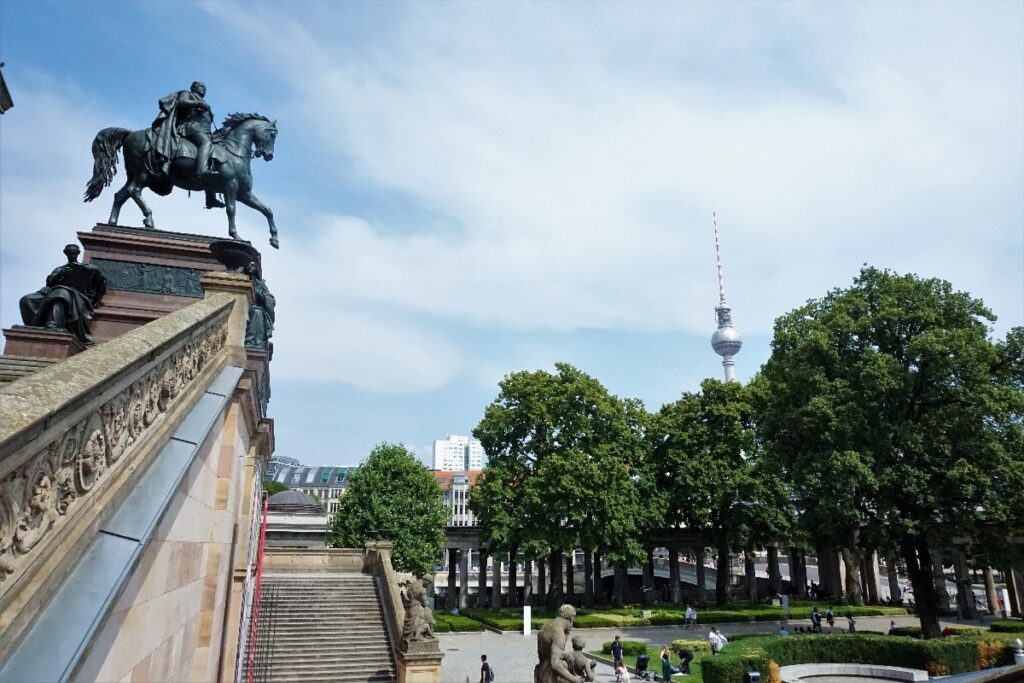
3 Days in Berlin: Quick Overview
Short on time? Here’s how I recommend spending three days in Berlin:
- Day 1: Berlin’s famous landmarks. Start at Alexanderplatz, visit the Berlin TV Tower, explore Hackesche Höfe and Museum Island, then continue to Gendarmenmarkt, Brandenburg Gate and the Reichstag.
- Day 2: Alternative Berlin. Discover Friedrichshain and the East Side Gallery, explore local cafés and street art, and choose an afternoon experience such as Teufelsberg or a Spree boat tour.
- Day 3: More Berlin or a day trip. Explore Charlottenburg Palace and another neighborhood, visit a museum or spend the day in Potsdam.
- Getting around: Berlin’s public transport makes it easy to combine walking with U-Bahn, S-Bahn, trams and buses.
- My recommendation: Stay somewhere with good public transport connections and book popular attractions in advance when necessary.
Three days are enough for a good introduction to Berlin, although you could easily spend much longer exploring the city.
Planning to explore Berlin for 3 days?
The Berlin WelcomeCard (72 hours) includes unlimited public transport within your selected fare zones and discounts at many attractions. It’s worth checking whether it fits your itinerary before your trip.
Day 1: Explore Berlin’s Most Famous Attractions
Your first day is all about Berlin’s historic center and its best-known landmarks.
I recommend starting at Alexanderplatz and making your way west through Mitte. This route connects many of the city’s most important sights without constantly travelling back and forth.
Allow most of the day for sightseeing, especially if you want to visit the Berlin TV Tower or the Reichstag dome.
Morning: Alexanderplatz and the Berlin TV Tower
Start your day at Alexanderplatz, one of Berlin’s busiest squares and an important public transport hub.
I’ll be honest: Alexanderplatz itself isn’t my favorite place in Berlin. It’s often crowded, sometimes chaotic and not particularly charming.
However, it’s a convenient starting point for your first day, especially because the famous Berlin TV Tower is right here.
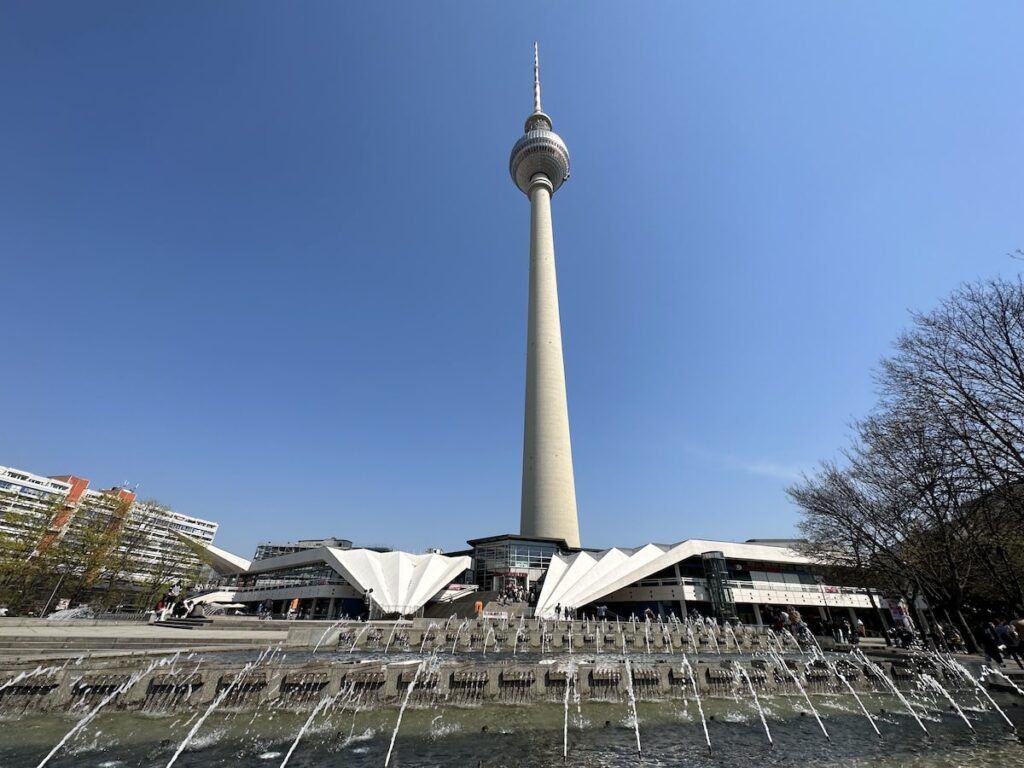
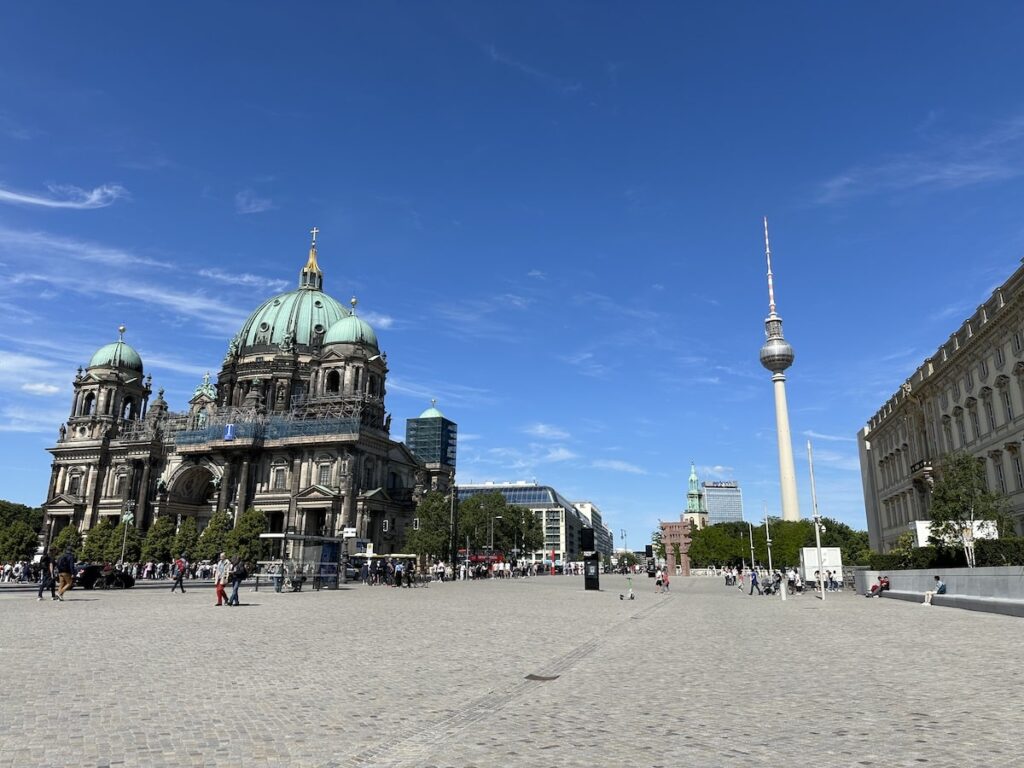
The Berlin TV Tower (Fernsehturm) is one of the city’s most recognizable landmarks. Its observation deck offers panoramic views across Berlin.
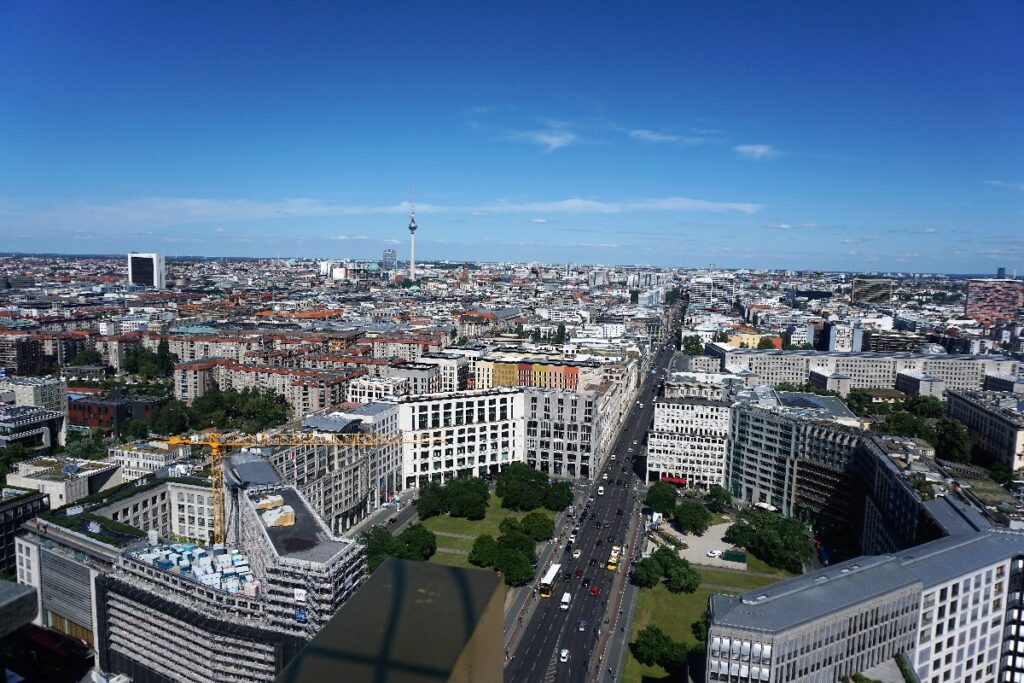
What I particularly like about visiting a viewpoint like this is that you get a much better idea of just how large Berlin really is. You can see famous landmarks, green spaces and neighborhoods stretching out in different directions.
If you’d like to go up the tower, I recommend reserving a timed-entry ticket in advance, particularly during weekends and busy travel periods.
My tip: Don’t squeeze the TV Tower into an already packed schedule. Allow enough time to enjoy the views.
Berlin TV Tower tickets
Want to see Berlin from above? You can check available time slots and ticket options before your visit.
Late Morning: Hackesche Höfe and Museum Island
From Alexanderplatz, walk towards Hackescher Markt.
One of my favorite places in this part of Berlin is Hackesche Höfe, a collection of interconnected courtyards with beautiful architecture, small shops and cafés.
It’s a lovely contrast to the busy streets around Alexanderplatz.
Take some time to explore the courtyards rather than simply walking straight through them.
From Hackescher Markt, continue towards Museum Island.
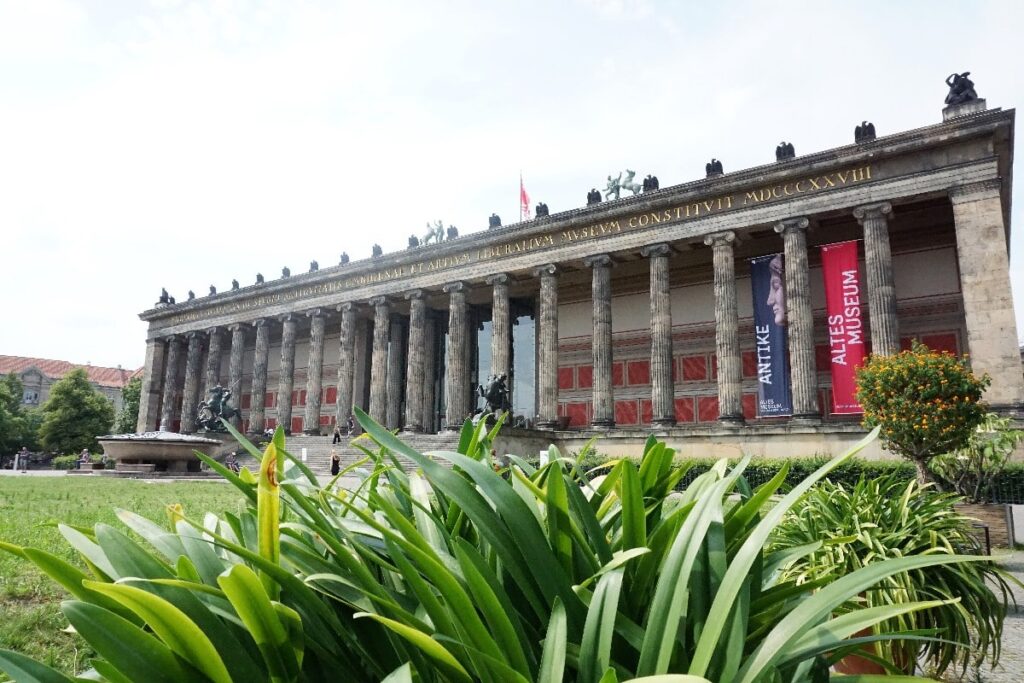
Museum Island (Museumsinsel) is a UNESCO World Heritage Site and home to several of Berlin’s most important museums.
Even if you don’t plan to visit a museum, I recommend exploring the area on foot.
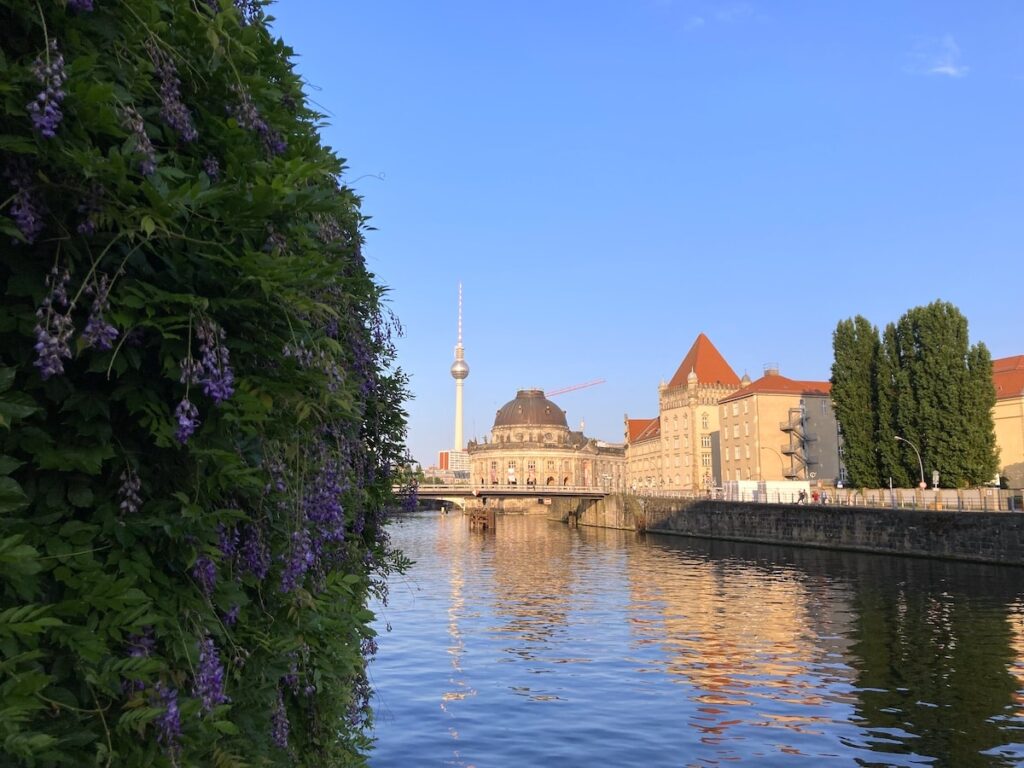
The impressive buildings, bridges and views along the River Spree make this one of the most interesting parts of central Berlin.
For this itinerary, I would save a longer museum visit for your third day. Otherwise, your first day can quickly become too crowded.
Lunch and Early Afternoon: Unter den Linden and Gendarmenmarkt
From Museum Island, continue towards the historic boulevard Unter den Linden.
Along the way, you’ll pass several important landmarks, including Humboldt University, Bebelplatz and the Berlin State Opera.
This part of Berlin is especially interesting if you enjoy history and architecture.
I recommend making a short detour to Gendarmenmarkt, one of Berlin’s most beautiful squares.
With its impressive historic buildings, it’s a lovely place to stop for a while.
You could have lunch in the surrounding streets or simply enjoy a coffee before continuing your sightseeing route.
Personally, I think it’s important to leave time for breaks during a city trip. Berlin has plenty to discover, but trying to visit everything in one day quickly becomes exhausting.
Afternoon: Brandenburg Gate and the Reichstag
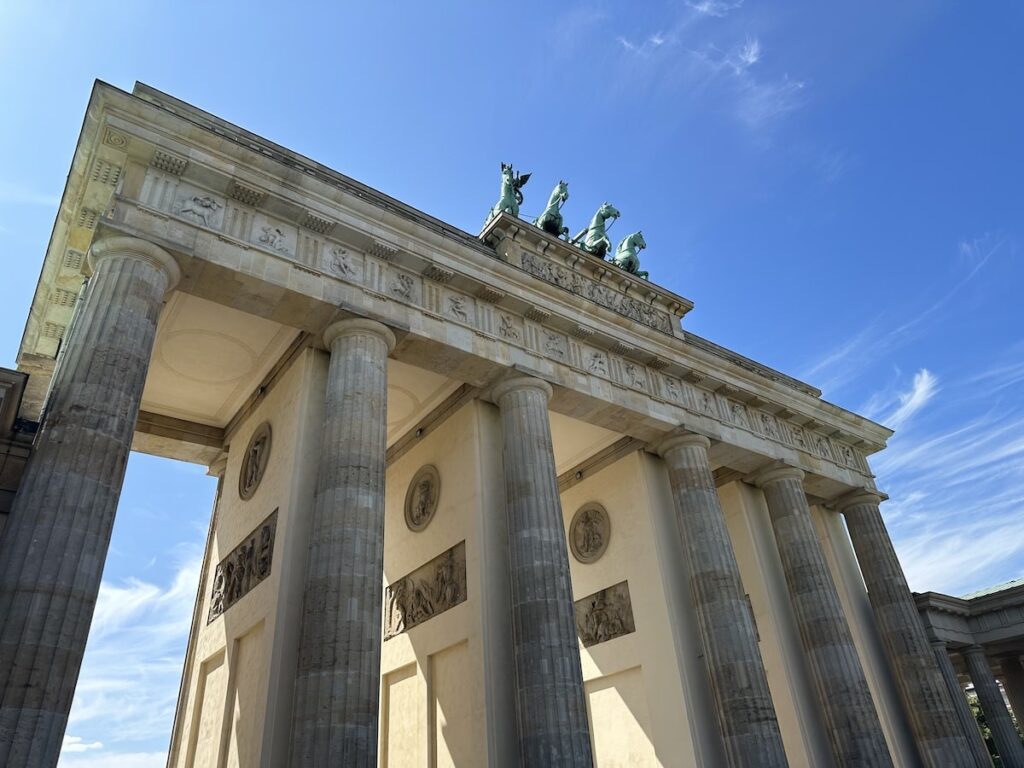
After lunch, return to Unter den Linden and continue west towards the Brandenburg Gate. This is probably one of the most recognizable landmarks in Germany.
The area is usually busy with visitors, but I still think it’s worth seeing in person.
The Brandenburg Gate is closely connected to Berlin’s history and has become an important symbol of German reunification.
From here, it’s only a short walk to the Reichstag Building, home to the German Bundestag.
One of the most interesting experiences is visiting the famous glass dome.
The dome offers views across Berlin and a different perspective on the historic parliament building.
Important: Visits to the Reichstag dome require advance registration. Check the official Bundestag website for available dates and visitor requirements. Registration for the dome is free.
If you don’t have a reservation, you can still admire the building from outside.
Evening: Enjoy a Show or Explore Berlin After Dark
After a full day of sightseeing, I wouldn’t recommend planning too many additional attractions.
However, if you still have some energy left, there are two options worth considering.
Option 1: Friedrichstadt-Palast
The Friedrichstadt-Palast is known for its large-scale stage productions, elaborate costumes and impressive performances.
It’s a good choice if you’d like to experience something different after spending the day walking around the city.
Option 2: Enjoy Berlin’s Evening Atmosphere
Alternatively, find a restaurant in Mitte, take a relaxed walk along the River Spree or simply enjoy the neighborhood around your hotel.
You don’t need to fill every hour of your trip with sightseeing.
My recommendation for Day 1: Focus on the historic center and choose just one major indoor attraction. That way, you’ll have enough time to enjoy the route without rushing.
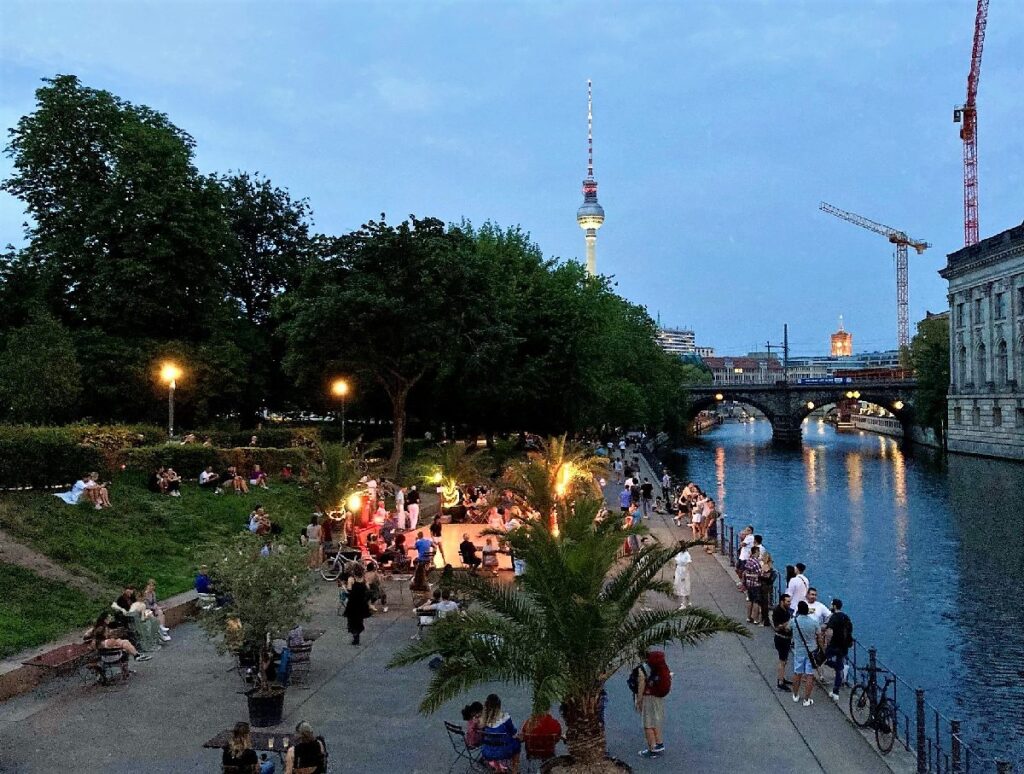
Day 2: Discover Alternative Berlin, Street Art and Local Neighborhoods
After exploring Berlin’s famous landmarks, it’s time to experience a different side of the city.
Berlin isn’t just about historic buildings, museums and monuments.
Much of its character comes from its neighborhoods, known locally as Kieze.
Each neighborhood has its own atmosphere, and exploring them is one of my favorite ways to experience Berlin.
For your second day, I recommend starting in Friedrichshain and then choosing one additional experience for the afternoon.
Morning: East Side Gallery and Friedrichshain
Start your morning at the East Side Gallery, one of the longest surviving sections of the Berlin Wall.
Today, this open-air gallery features murals created by artists from around the world. It’s a fascinating combination of history, art and Berlin’s creative culture.
Take your time walking along the wall and looking at the different artworks.
The East Side Gallery also gives you an opportunity to learn more about Berlin’s divided past.
Afterwards, continue exploring Friedrichshain.
This neighborhood has a creative and youthful atmosphere, with independent shops, cafés, restaurants and street art.
It’s a completely different experience from the historic center you explored on your first day.
Lunch: Explore Friedrichshain Like a Local
One thing I’ve learned from living in Berlin is that you don’t always need a fixed destination.
Sometimes the most interesting places are the ones you discover while wandering around a neighborhood.
Friedrichshain is a good area for doing exactly that. Find a small café, explore the streets around Boxhagener Platz or stop somewhere for lunch.
You’ll also come across plenty of independent businesses and interesting corners.
And if you notice a Späti, that’s one of Berlin’s typical convenience stores where locals often stop for drinks and snacks.
For me, these everyday details are part of what makes Berlin interesting.
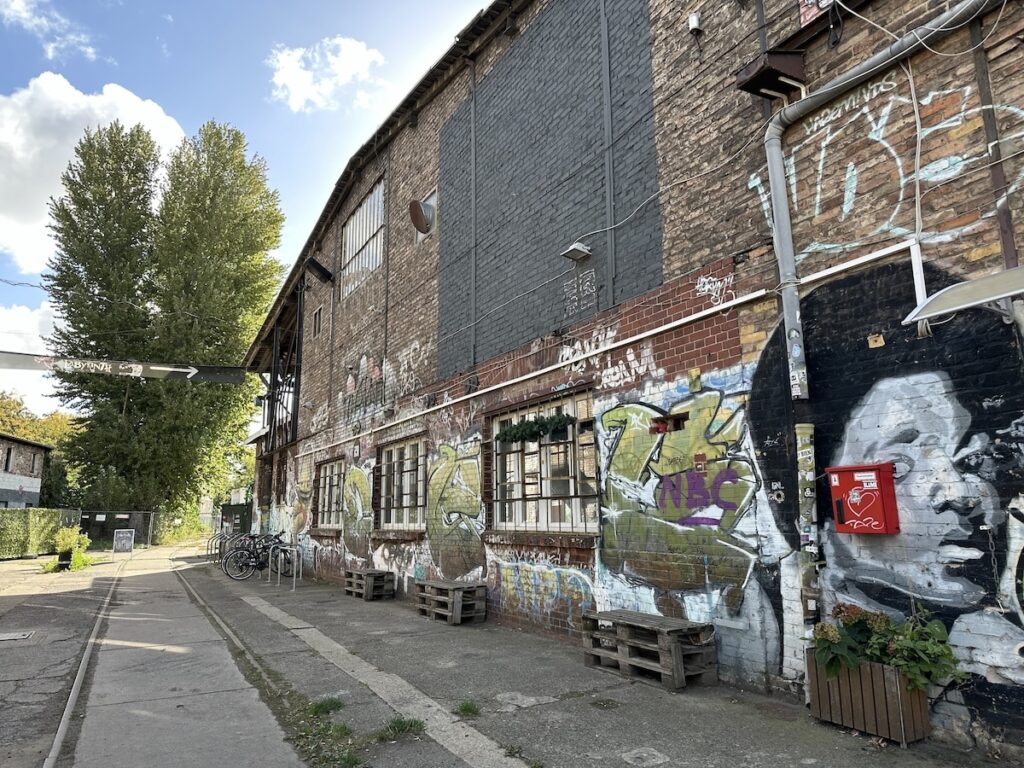
Afternoon: Choose Your Favorite Berlin Experience
For the afternoon, I recommend choosing one activity rather than trying to fit several distant attractions into your schedule.
Here are four options depending on your interests.
Option 1: Teufelsberg, Street Art and Cold War History
If you enjoy unusual places, Teufelsberg is one of the most interesting attractions in Berlin.
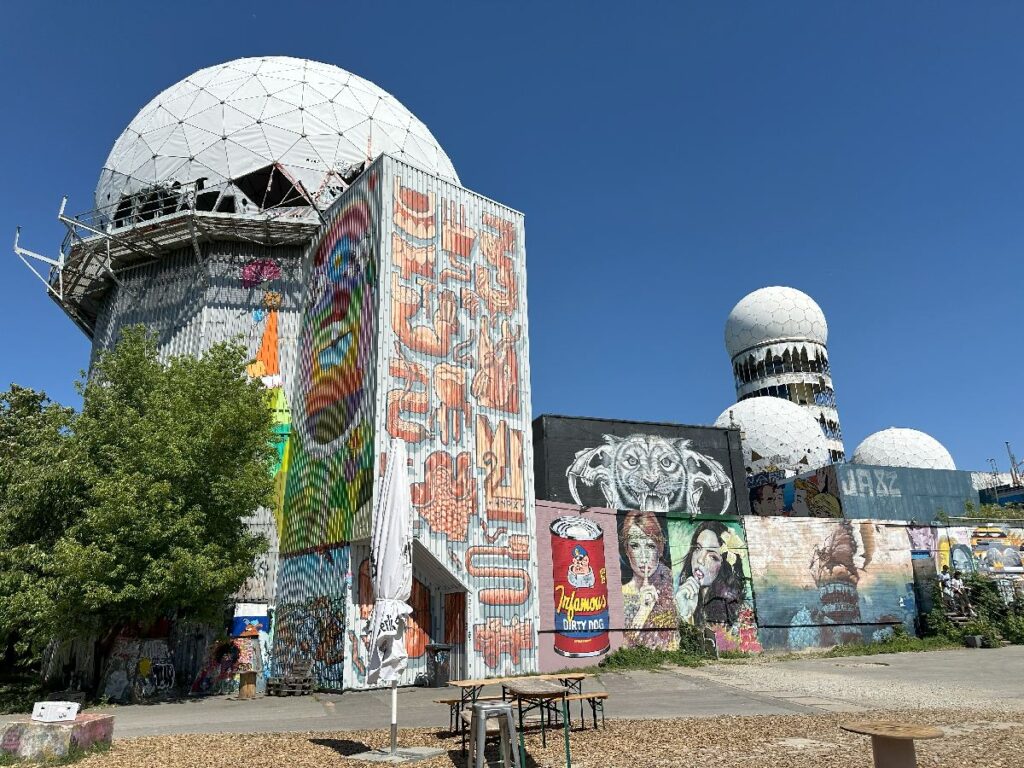
Located on an artificial hill in the Grunewald forest, this former Cold War listening station has become a fascinating destination for street art.
Today, you can explore parts of the former facility, discover colorful murals and enjoy views over the surrounding area.
What makes Teufelsberg particularly interesting is the combination of history, abandoned architecture and modern street art.
It’s very different from the traditional landmarks in central Berlin.
However, Teufelsberg is located away from the city center, so allow enough time for the journey and your visit.
My tip: Choose Teufelsberg if street art and unusual historic places interest you more than traditional museums.
Visit Teufelsberg
If you’d like to explore the former listening station, check the available admission options before travelling across the city.
Option 2: Explore Kreuzberg
If you’d rather continue discovering Berlin’s neighborhoods, head to Kreuzberg.
Kreuzberg is known for its multicultural atmosphere, alternative culture, street art and lively streets.
You’ll find independent cafés, small shops, markets and plenty of interesting corners. It’s not a polished tourist neighborhood, and that’s part of its appeal.
I recommend exploring the area around Oranienstraße or taking a walk along the Landwehr Canal.
If you’re particularly interested in street art, a guided tour can help you understand the stories behind the murals and graffiti.
Option 3: Take a Boat Tour on the River Spree
After spending plenty of time walking around Berlin, a boat tour can be a welcome change.
A sightseeing cruise on the River Spree gives you a different perspective on the city.
Depending on the route, you’ll pass some of Berlin’s famous landmarks and historic buildings.
I particularly like this option for visitors who want to continue sightseeing without spending the entire afternoon on their feet.
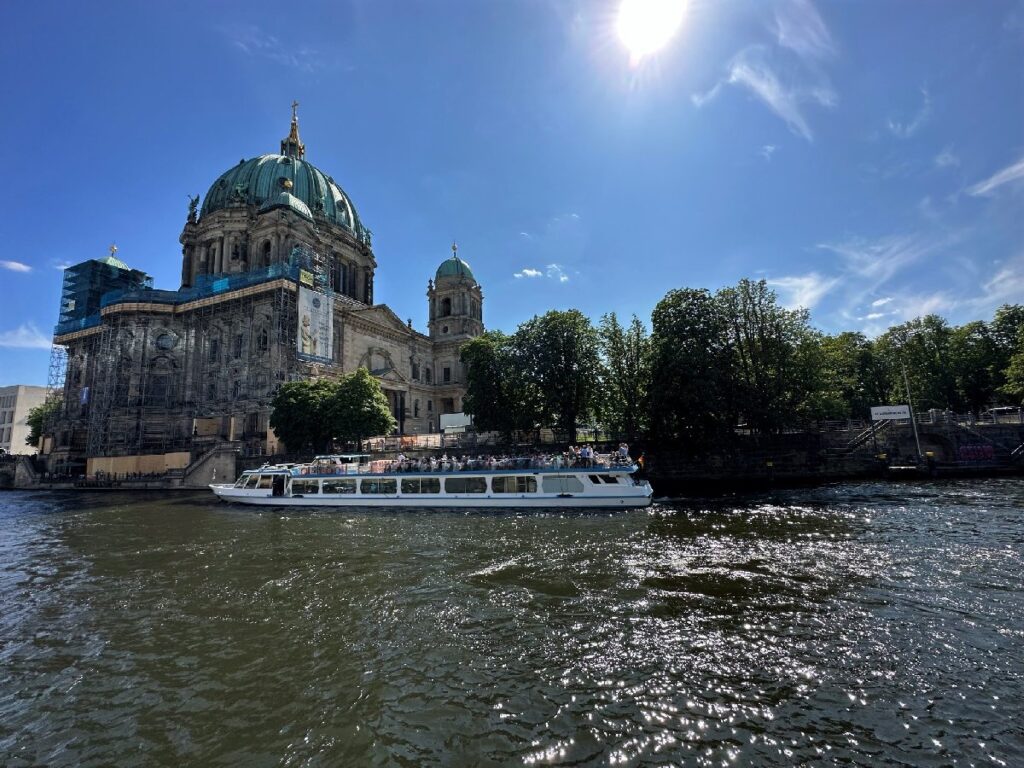
Explore Berlin from the Water
A Spree sightseeing cruise can be a relaxing addition to your three-day itinerary.
Option 4: Berlin Bell Tower and Olympic Stadium
If you enjoy panoramic views and would prefer somewhere less central, consider visiting the Berlin Bell Tower (Glockenturm) near the Olympic Stadium.
The observation platform offers impressive views across the Olympic grounds and the surrounding city.
It’s an interesting alternative to Berlin’s more famous viewpoints.
However, check seasonal opening times before planning your visit.
Evening: Enjoy Berlin Without a Strict Schedule
For your second evening, I would keep things flexible.
You could stay in Friedrichshain or Kreuzberg for dinner, explore another neighborhood or simply return to the area around your accommodation.
Berlin has a very different atmosphere in the evening, and you don’t necessarily need another major attraction to enjoy it.
My recommendation for Day 2: Start with the East Side Gallery and Friedrichshain. Afterwards, choose Teufelsberg if you’re interested in street art and unusual places, or Kreuzberg if you’d prefer to spend more time experiencing local Berlin.
Day 3: Explore More of Berlin or Take a Day Trip
By your third day, you’ll have visited many of Berlin’s most famous landmarks and experienced some of its local neighborhoods.
Now you have a choice.
Would you prefer to discover more of Berlin itself, visit a palace or spend the day exploring somewhere outside the city?
For a first visit, I would generally recommend staying in Berlin. There’s still plenty to see.
However, Potsdam is a lovely alternative if you’re particularly interested in palaces, gardens and history.
Option A: Charlottenburg Palace and More of Berlin
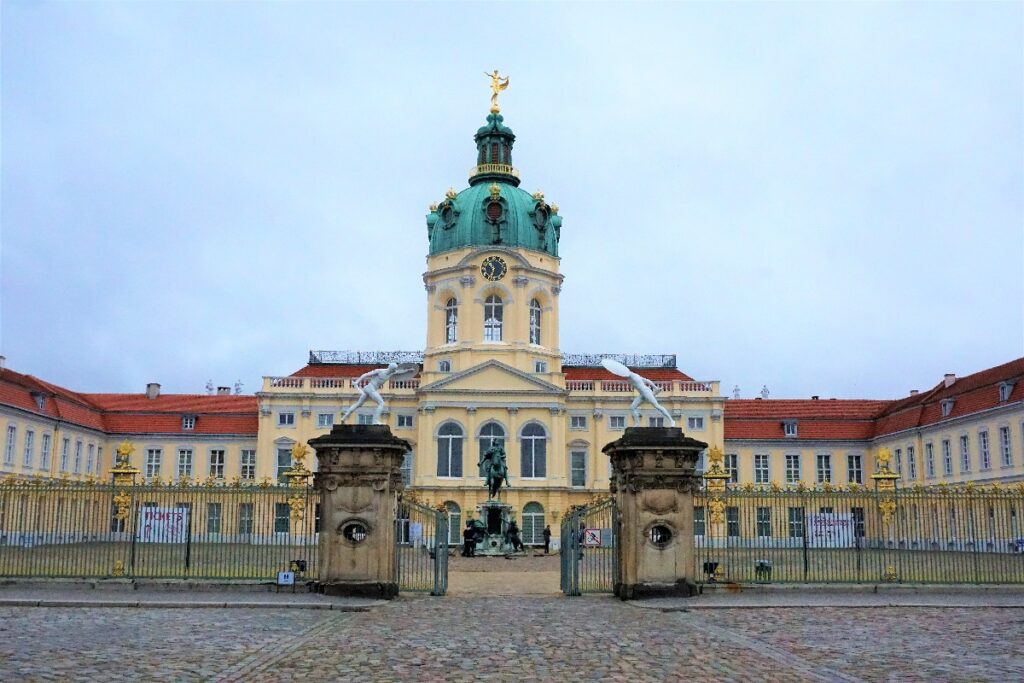
If you’d like to spend your third day in Berlin, I recommend starting at Charlottenburg Palace.
This is one of Berlin’s most impressive historic buildings. The palace and its gardens offer an interesting glimpse into the city’s royal past.
You can visit the palace interiors or simply explore the surrounding park, depending on your interests and available time.
Afterwards, you could spend some time exploring Charlottenburg.
This part of Berlin has a different atmosphere from Friedrichshain or Kreuzberg. It’s a good opportunity to experience another side of the city.
If you’re interested in shopping, you could also continue towards Kurfürstendamm.
Alternatively, use the afternoon for a museum you haven’t managed to visit yet.
Option B: Take a Day Trip to Potsdam
Potsdam is one of my favorite recommendations for visitors who enjoy history, beautiful architecture and impressive parks.
Located just outside Berlin, it’s easy to reach by public transport.
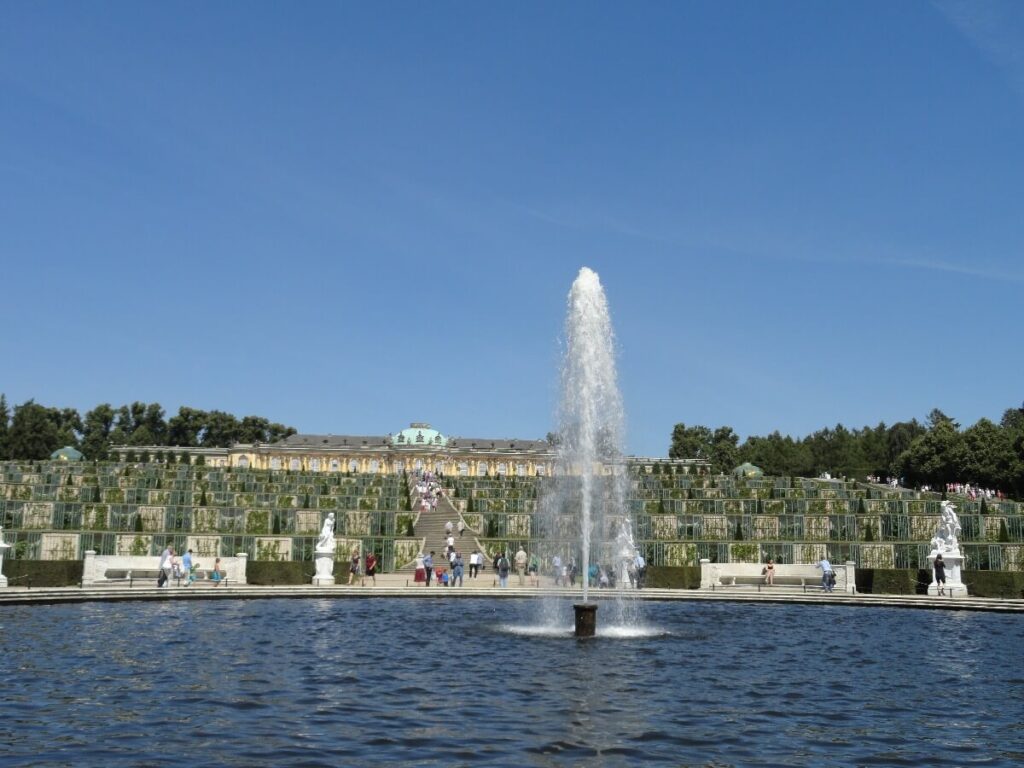
The city is particularly famous for Sanssouci Palace and Park, with its beautiful gardens, terraces and historic buildings.
You can also explore the Dutch Quarter, known for its distinctive red-brick architecture, small shops and cafés.
Potsdam has enough attractions to fill an entire day, so I wouldn’t try to combine it with several additional Berlin sights.
My tip: Give Potsdam most of the day. It’s much more enjoyable when you have enough time to explore without constantly checking the clock.
If you’re travelling by public transport, make sure your ticket covers Berlin’s fare zone C.
Option C: Visit Berlin’s Museums
If you enjoy museums, history or art, you could spend your third day exploring some of Berlin’s cultural attractions.
Museum Island is an obvious starting point. However, I recommend choosing one museum that genuinely interests you rather than trying to visit several in a hurry.
Berlin has a wide range of museums covering art, archaeology, history and many other subjects.
Check which exhibitions are currently available before your visit, as individual museum buildings may be temporarily closed or undergoing renovation.
Option D: Relax at Wannsee
If you’re visiting Berlin during the warmer months and would prefer a quieter day, consider heading to Wannsee.
This area is known for its lakes, green spaces and relaxed atmosphere.
You can enjoy a walk along the water, visit the famous Strandbad Wannsee during its operating season or simply spend some time away from the busy city center.
For me, this is a lovely alternative if you’ve already spent two full days sightseeing.
My recommendation for Day 3: For your first trip, choose Charlottenburg Palace and another Berlin attraction. If you love palaces and gardens, Potsdam is an excellent alternative. Wannsee is particularly appealing during warm weather.
Where to Stay in Berlin for 3 Days
Berlin is a large city, so choosing the right accommodation can make a big difference to your trip.
For a first visit, I recommend staying somewhere central or close to a good public transport connection.
You don’t necessarily need a hotel directly beside the Brandenburg Gate or Alexanderplatz. A comfortable hotel near an U-Bahn or S-Bahn station can be just as convenient.
Here are three neighborhoods worth considering.
Mitte: Best for First-Time Visitors
Mitte is particularly convenient if you want to explore Berlin’s famous landmarks.
You’ll be close to many attractions, including Museum Island, Unter den Linden and the Brandenburg Gate.
However, accommodation in central locations can be more expensive.
Prenzlauer Berg: Cafés and a Relaxed Atmosphere
Prenzlauer Berg is a good choice if you prefer a slightly quieter neighborhood with plenty of cafés and restaurants.
It’s particularly appealing if you enjoy exploring local streets after a day of sightseeing.
With good public transport connections, you can still reach Berlin’s main attractions easily.
Friedrichshain: Street Art and Nightlife
Friedrichshain is a good option if you enjoy creative neighborhoods, street art and a lively atmosphere.
You’ll find plenty of restaurants, bars and independent shops.
It’s also convenient for exploring the East Side Gallery.
However, some streets can be lively late into the evening, so check your hotel’s exact location if you prefer somewhere quiet.
Find Your Accommodation in Berlin
Not sure which neighborhood is right for you? Compare hotels by location, price and public transport connections before booking.
For more accommodation ideas, read my Affordable places to stay in Berlin guide.
Getting Around Berlin During Your 3-Day Trip
Berlin has an extensive public transport network, including U-Bahn trains, S-Bahn trains, trams and buses.
You won’t need a rental car for this itinerary.
In fact, I generally recommend using public transport because parking and traffic can make driving around Berlin unnecessarily complicated.
Walking Around Berlin
On your first day, many of the major landmarks are within walking distance of each other.
However, don’t underestimate the distances. Even when attractions look close together on a map, you’ll probably spend quite a lot of time walking.
Comfortable shoes are definitely worth bringing.
Berlin Public Transport Tickets
Berlin’s public transport system uses different fare zones. For most sightseeing within the city, zones AB are sufficient.
If you’re travelling to Potsdam or Berlin Brandenburg Airport (BER), you’ll need a ticket covering zone C as well.
Depending on how often you plan to use public transport, single tickets, day tickets or tourist passes may be suitable.
Is the Berlin WelcomeCard Worth It?
The Berlin WelcomeCard for 72 hours can be useful if you’re planning to use public transport regularly and visit attractions offering discounts.
However, it isn’t automatically the cheapest option for every visitor.
If you’re mainly walking around central Berlin and only taking public transport occasionally, regular tickets may work out cheaper.
I recommend comparing the current prices and included discounts before buying.
With three days, you have some flexibility to work around the weather. My guide to Berlin in the rain has indoor alternatives for a wet morning or afternoon.
What Should You Book in Advance for Berlin?
You don’t need to book every attraction before your trip.
However, some experiences are worth planning ahead for, especially during weekends and busy travel periods.
I would particularly consider booking or registering in advance for:
- Berlin TV Tower: Reserve a suitable time slot if you want to visit the observation deck.
- Reichstag dome: Register in advance through the official Bundestag website.
- Teufelsberg: Check current admission options and opening times.
- Popular guided tours: Book ahead if you have a particular tour in mind.
- Friedrichstadt-Palast: Check show dates and ticket availability before your trip.
I wouldn’t fill all three days with reservations, though.
Leaving some flexibility makes it easier to explore Berlin at your own pace.
Book ahead and make the most of your time in Berlin!
Popular attractions like the Berlin TV Tower, guided tours and river cruises can get busy, especially during weekends and peak season. Booking in advance helps you avoid unnecessary waiting and plan your sightseeing more easily.
Is 3 Days Enough for Berlin?
Yes, 3 days in Berlin are enough for a first visit, especially if you focus on the main attractions and choose a few additional experiences that interest you.
You’ll have time to discover the historic center, explore alternative neighborhoods and experience different sides of the city.
However, Berlin has much more to offer than you can realistically see in three days.
If you enjoy museums, history, street art or exploring neighborhoods, you could easily stay longer.
Personally, I think three days offer a good balance between sightseeing and having time to enjoy the city.
If you have fewer days available, focus on the main landmarks and one or two neighborhoods rather than trying to squeeze everything into a shorter trip.
Visiting with children? You might want to slow down this itinerary and include a few activities from my guide to Berlin with kids.
Frequently Asked Questions About 3 Days in Berlin
For a first visit, I recommend the Brandenburg Gate, Reichstag, Museum Island, Berlin TV Tower and East Side Gallery.
You should also spend some time exploring neighborhoods such as Friedrichshain or Kreuzberg.
This gives you a good mix of history, famous attractions and everyday Berlin life.
I recommend planning around two or three main activities per day.
You can combine these with smaller sights along your route.
Berlin is a large city, and travelling between attractions can take longer than you might expect.
Leaving some free time makes your itinerary much more enjoyable.
Yes, absolutely.
Berlin has an extensive public transport network, and most major attractions are easy to reach by train, tram or bus.
For a three-day city trip, I wouldn’t recommend renting a car.
Yes, particularly if you enjoy palaces, gardens and history.
Potsdam is easy to reach from Berlin and makes a lovely day trip.
However, if it’s your first visit and you want to discover as much of Berlin as possible, I would recommend staying in the city on your third day.
Yes, if museums are something you enjoy.
However, I would choose one or two that genuinely interest you rather than trying to visit as many as possible.
Museum Island is a good place to start, but Berlin has many other interesting museums throughout the city.
Berlin can be relatively affordable or quite expensive, depending on your accommodation, restaurants and activities.
Public transport makes it easy to explore without renting a car, and many famous landmarks can be admired from outside for free.
Accommodation is often one of the biggest expenses, so comparing neighborhoods and booking options can help you manage your budget.
For a first visit, I would recommend Mitte if you want to stay close to the major attractions.
Prenzlauer Berg is a good alternative for a more relaxed atmosphere, while Friedrichshain is particularly interesting if you enjoy street art and nightlife.
The most important thing is choosing accommodation with convenient public transport connections.
Final Thoughts: How to Make the Most of 3 Days in Berlin
Three days in Berlin give you enough time to discover the city’s famous landmarks while also experiencing some of its different neighborhoods.
For me, the best combination is a day exploring the historic center, a day discovering alternative Berlin and a more flexible third day.
You’ll see famous attractions, learn about Berlin’s history and still have time for a few spontaneous discoveries.
And that’s exactly what I like about Berlin.
It’s not a city where every corner looks beautiful or everything follows a perfect plan.
Berlin is full of contrasts. Historic buildings stand beside modern architecture, quiet parks are only a short distance from busy streets, and every neighborhood has its own atmosphere.
Even after years of living here, I still regularly discover places I haven’t explored before.
With this itinerary, you’ll have a practical starting point for your first visit while still leaving enough room to discover your own favorite corners of Berlin.
Continue Planning Your Berlin Trip
Looking for more ideas for your trip? These guides will help you plan your time in the German capital:
- One Day in Berlin: A shorter sightseeing route covering the main highlights.
- Only staying for two days? I’ve also put together a 2-day Berlin itinerary with a shorter route that covers the main sights without trying to fit too much into your visit.
- Best Things to Do in Berlin: Famous landmarks, viewpoints and local recommendations.
- Affordable places to stay in Berlin: Neighborhoods, accommodation tips and hotel recommendations.
- How Expensive Is Berlin?: Practical information to help you plan your travel budget.
- Berlin in the rain: 20 indoor activities, from museums and bunker tours to escape rooms
You can also explore my other Berlin travel guides for more inspiration and practical tips.
Ready for your next Adventure?
Planning your next trip? Here are some useful travel resources to help you find accommodation, book activities, and prepare for your journey.
Find Your Perfect Stay
Find the right hotel or apartment for your trip.
Tours & Tickets
Explore attractions, tours, and experiences.
Travel Essentials
Discover useful gear for your next adventure.
A little note: Some links are affiliate links. If you book or purchase through them, I may earn a small commission at no extra cost to you. This helps me keep sharing free travel guides and honest recommendations. Thank you for your support!
Pingback: Best Things to Do in Berlin: Top Sights & Local Tips
Pingback: Affordable Places to Stay in Berlin: Cheap Hotels & Hostels
Pingback: How expensive is Berlin? A realistic cost breakdown for your trip
Pingback: Berlin in One Day: A Local's Itinerary & Tips
Pingback: 2 Days in Berlin: A Local's Itinerary & Tips
Pingback: How many days in Berlin? A local's honest advice
Pingback: Berlin in the rain: 20 indoor activities from a local
Pingback: Berlin with kids: Best things to do & local tips